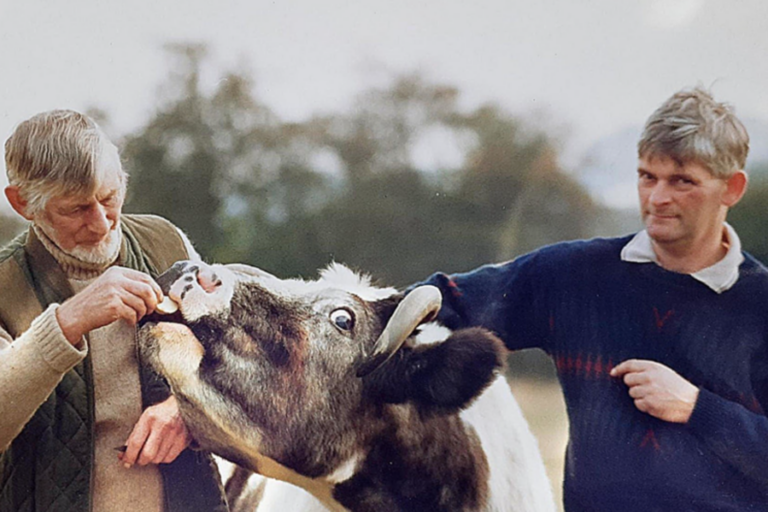
Beyond nostalgia
How can we help audiences today encounter films from the past?
-
Author
- Joe
-
Published Date
- September 23, 2026
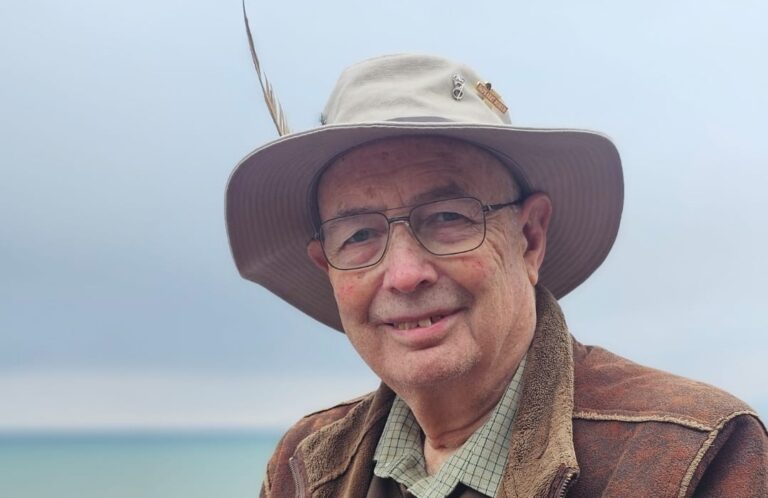
Guest written by our film archive volunteer, Verandar Yuen
When we watch an old film, nostalgia can be one of the first feelings that we notice. A familiar landscape, a forgotten piece of technology, or a way of life that has since changed can take us back to another time.
But what happens when we look past nostalgia? What can these films tell us about the world we live in today? And, when films were originally made for audiences of the past, how can we help audiences today encounter and understand them?
Over recent months, a team of volunteers at The Museum of English Rural Life has been exploring these questions through the Richard Watts archival film collection and the project Watts in the Country, made possible thanks to a grant from the BFI Screen Heritage Fund, awarding National Lottery funding.
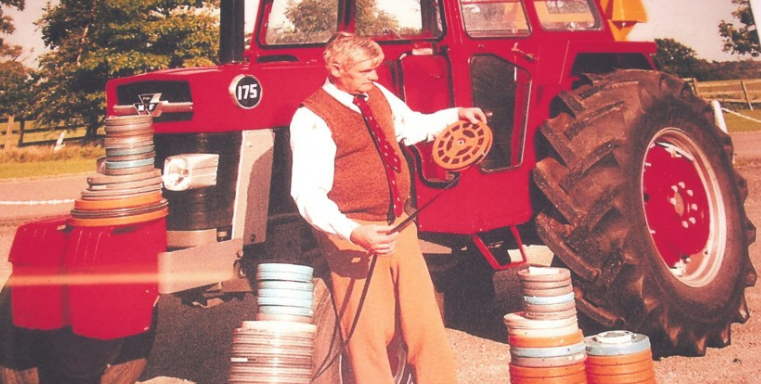
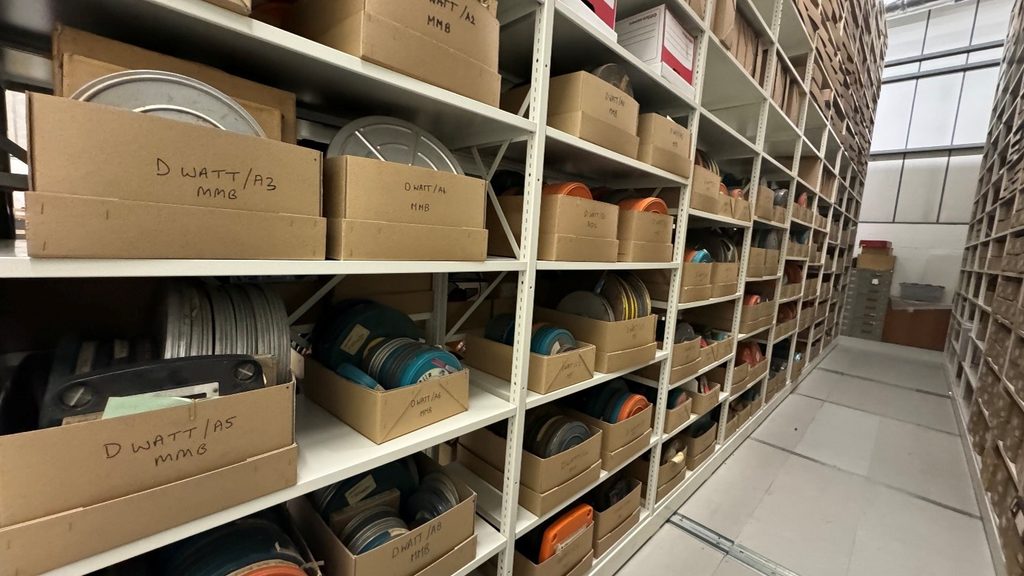
Richard Watts was a Nottinghamshire farmer and passionate cinephile who spent decades collecting films relating to agriculture and rural life in Britain. His collection, now held by The MERL, contains around 1,800 films and provides a remarkable record of agricultural practices, technological developments, rural communities, and the changing landscape of everyday life.
The collection has been undergoing restoration, digitisation and cataloguing, helping to preserve this material and make it available to new audiences. But preservation is only part of the journey. Once these films have been restored, how do we help people access, understand and engage with them?
This is where our work as volunteers comes in.
Looking at films from the perspective of contemporary audiences
As volunteers, we have been involved in both content and audience assessment of the restored films. We use a film analysis form to record our observations and consider how the material might be experienced by a wider audience.
This involves looking beyond whether a film is historically interesting. We consider the language used, the way information is communicated, the context that may be needed, and whether anything might prevent someone from engaging with the material.
Accessibility is an important part of this process. For example: we noticed that subtitles were not available when accessing the films. We therefore considered where transcription, subtitles or other forms of supporting information could make the material more accessible.
These may seem like small details, but they can make a significant difference to how someone encounters a collection.
The process has also made me think differently about the meaning of accessibility. Digitising a film makes it available, but availability does not necessarily mean that everyone can access it in the same way. We need to think about the different experiences, knowledge, and needs that audiences bring with them.
What can an agricultural film tell us today?
One of the things I have found particularly fascinating is how much these films can reveal beyond their immediate subject.
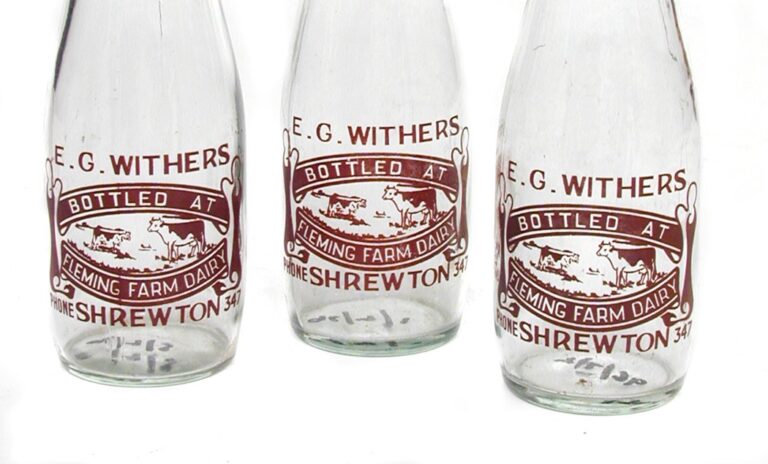
Take, for example, films relating to milk and the Milk Marketing Board. At first glance, they might simply appear to document an agricultural industry or promote milk consumption. But when we look more closely, they reveal how an everyday part of British life was shaped. The milkman, milk delivery and the habit of drinking milk can feel so familiar that it is easy to forget that these were not simply natural or inevitable parts of daily life. They were connected to industries, marketing, social expectations, and changes in British society.
For someone who did not grow up in Britain, this can be particularly striking. Coming from a place where much of the food is imported rather than produced locally, I found myself looking at some of these films not simply as records of agriculture, but as records of how a society developed a relationship with food, farming, and everyday life.
This is one reason I think archival collections remain relevant. They do not only tell us about the past. They can help us question the present.
From archive to audience
Working on this project has also made me reflect on my own background in documentary production. Before becoming involved with The MERL, I spent years working with film, thinking about how stories are recorded, edited, and communicated to audiences.
Working with an archival collection has encouraged me to look at film from another direction. These films are not only finished pieces of communication. They are also historical records that can be questioned, interpreted and experienced in different ways.
As the project moves towards its screening phase, this becomes even more important. The aim is not simply to show restored films, but to create opportunities for audiences to encounter the collection and contribute their own perspectives.
From 28-30 September, we will be sharing films from the Watts Collection at Basildon Park, a beautiful National Trust estate on the outskirts of Reading. These screenings will be an opportunity to celebrate the work of the volunteers, the restoration process, and the many collaborations that have supported the project, while inviting audiences to think about what these films mean to them. This follows previous screenings at the British Motor Museum in Warwickshire; a real joy for us to be on the road in more ways than one.
There is still much more to discover. Perhaps the most interesting question is not simply what these films tell us about the rural past, but what they can help us understand about the world we have inherited.
If these films were made for audiences of the past, how do we help audiences of today encounter them? We look forward to exploring that question together.
Find out more about our upcoming Watts in the Country screenings at Basildon Park, 28-30 September. We are able to provide a limited number of free tickets to the Basildon Park screenings. To apply for a ticket, please send your name and contact details to Hannah Silver, Project Officer for Watts in the Country, at h.e.silver@reading.ac.uk.