Milking time: Bacteriology and pasteurisation
Explore the University of Reading's role in dairying research into milk pasteurisation
-
Author
- Madeleine
-
Published Date
- June 15, 2026
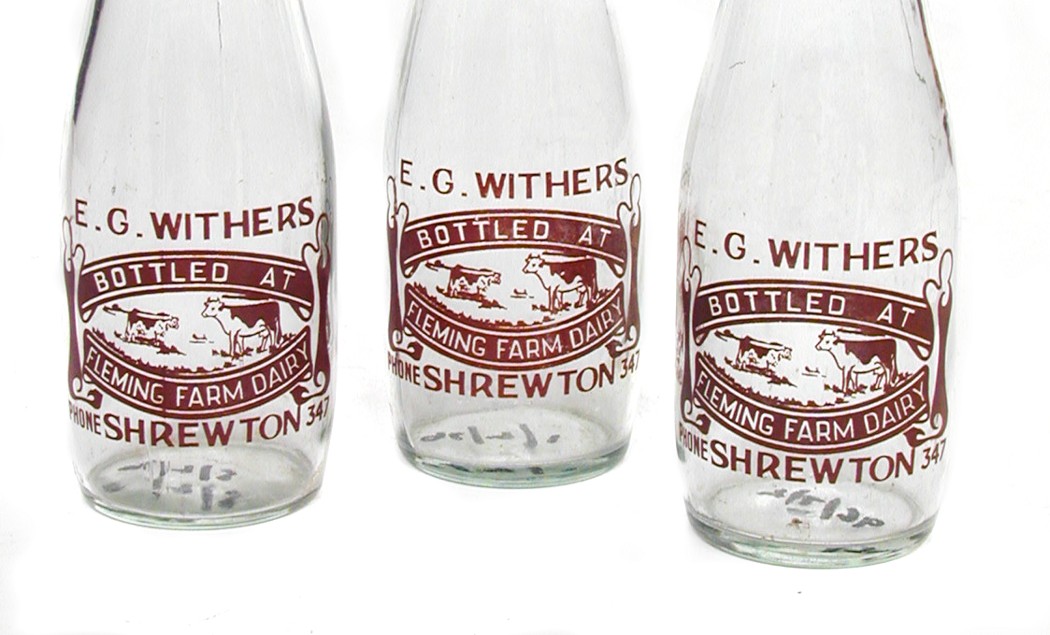
As part of the University of Reading’s centenary celebrations, we are exploring the past, present, and future of dairying in Reading. This work is part of a project called Milking Time. We will share glimpses into extraordinary dairy collections, explore new ways to chart the story of the University’s Centre for Dairy Research, and discuss how the past can help us in shaping our Agrifood Futures.
This blog by volunteer dairy heritage researcher Janet Sporton will be the first in an ongoing series. It examines the history of the National Institute for Research in Dairying (NIRD) through the work of pioneering bacteriologist Edith Rose Hiscox.
Throughout dairying history, women have often been represented by the image of a milkmaid. However, far less has been known about the role of women who pioneered the science behind dairying, especially in the field of bacteriology. One of these women was Edith Rose Hiscox.
Edith was born in Cleeve, Somerset in 1887. She graduated in 1903 from Colston’s Girls School in Bristol, where she received a Licensed Victuallers Scholarship. She attended technical training for three years, where she met Elfrieda Mattick. In the years ahead, Edith would collaborate on research with Mattick’s husband, Alexander Mattick.
Before entering bacteriology, Edith worked as a teacher and was recorded at Abercarn Primary School in 1910.
By 1921, Edith was living and working in Reading as a research bacteriologist for the National Institute for Research in Dairying (NIRD). In 1923, she wrote a thesis titled ‘Concerning “Fruitiness” in Whey’. The study took place at NIRD under the supervision of Professor R. Stenhouse Williams and with Professor Sigurd Orla-Jensen in Copenhagen.
The research discussed the ‘fruitiness smell’ that was noticed in cheesemaking. Edith used a sample from a 1920 dairy show. The study was challenging, as the bacteria responsible for the smell grew poorly on artificial media. Instead, it had to be passed through sterilised milk. The conclusion summarised that the ‘fruitiness’ was formed from a reaction between yeast and a bacterium.
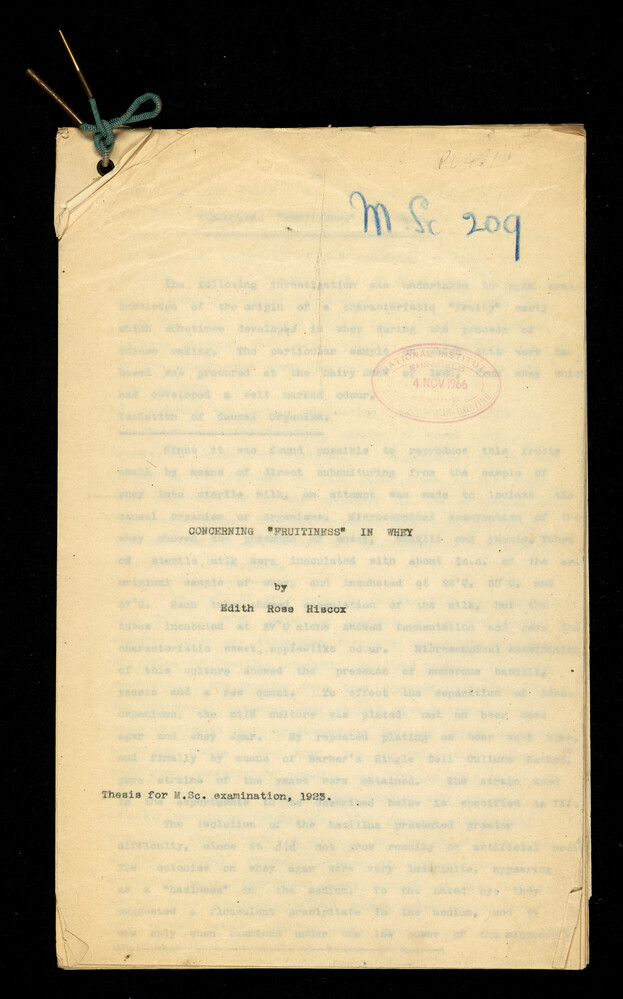
During her time in London, Edith graduated with a MSc degree with Elfrieda Mattick who graduated with a PhD. Later they both lived in Reading and this friendship had a significant outcome. In 1939, Edith co-authored ‘High Temperature- Short Time pasteurisation: The destruction of tubercle bacilli and phosphatase’ with Elfrieda’s husband Alexander Mattick. In the paper, they stated that pasteurisation could be completed by heating milk to 162 degrees Fahrenheit (72 degrees Celsius) for fifteen seconds. A phosphatase test1 would become positive at 160 degrees Fahrenheit (71 degrees Celsius) and tubercle bacilli were killed after being heated to 158.65 degrees Fahrenheit (70.36 degrees Celsius).
The problem with milk before pasteurisation
As Edith’s work advanced laboratory understanding of milk, wider concerns about milk safety grew across Britain. Pasteurisation became a key development in public health, removing the harmful bacteria that had previously been sold in raw milk.
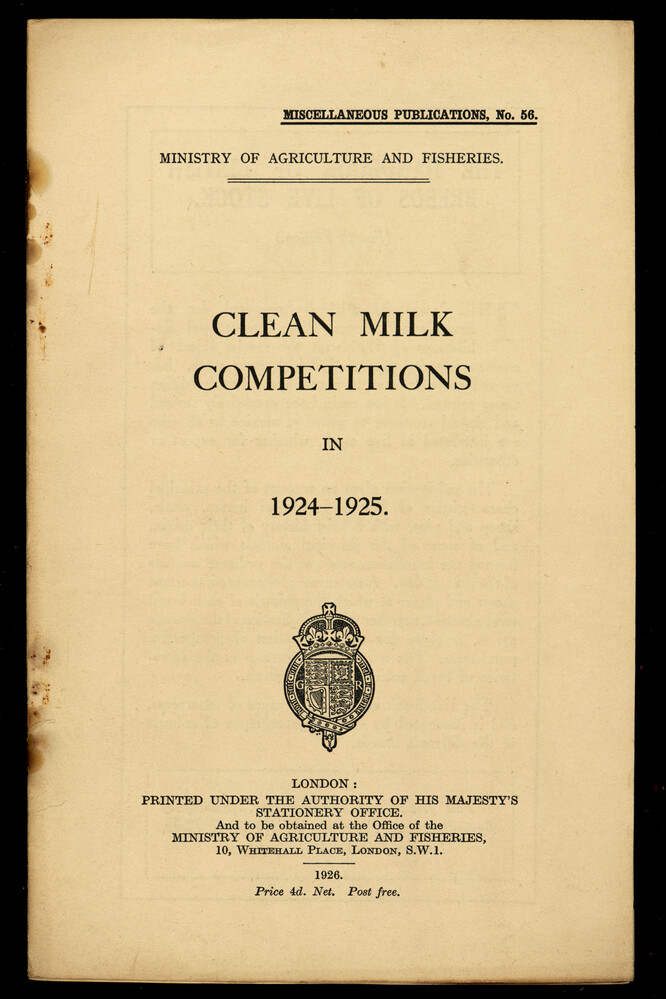
From 1924 to 1925, the Ministry of Agriculture and Fisheries ran ‘Clean Milk Competitions’ to ascertain what was causing the bacteria with prize cups and money awarded to employees on winning farms. Samples of milk were taken, and the levels of bacteria were measured within a 30-hour time frame. Careless milking and bacteria on cow udders were responsible for some of the levels of bacteria.
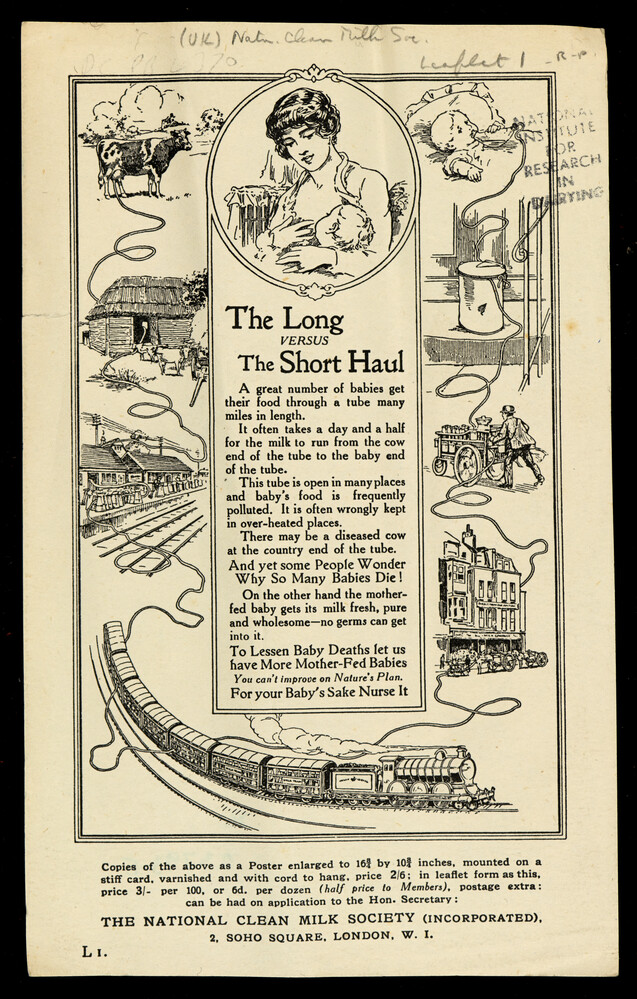
Before then, those selling raw milk would try and combat fears of bacteria by having a cow in residence to indicate that the milk was fresh.
The method in which milk was stored also increased the levels of harmful bacteria. Further studies on milk discovered that while it was seen as a nourishing food, it had invisible hazards that were putting school children at risk.
A report by W. Bolton Tomson, MD in 1932 highlighted that while milk was a nutritious food, it carried risks of disease such as tuberculosis, scarlet fever, typhus, typhoid, and diphtheria. These diseases are invisible and the report stated that mothers could not know if milk carried the diseases that could have major implications for their children’s health or even their death.
As a result, there were concerns of providing school children with raw milk during the Second World War and an alternative was suggested. Dried full cream milk with hot water could be added to chocolate as teachers would have been expected to have boiled the milk at school. At home the children’s mothers would have been sent information advising them to boil milk and to nurse their babies.
Developments in pasteurisation
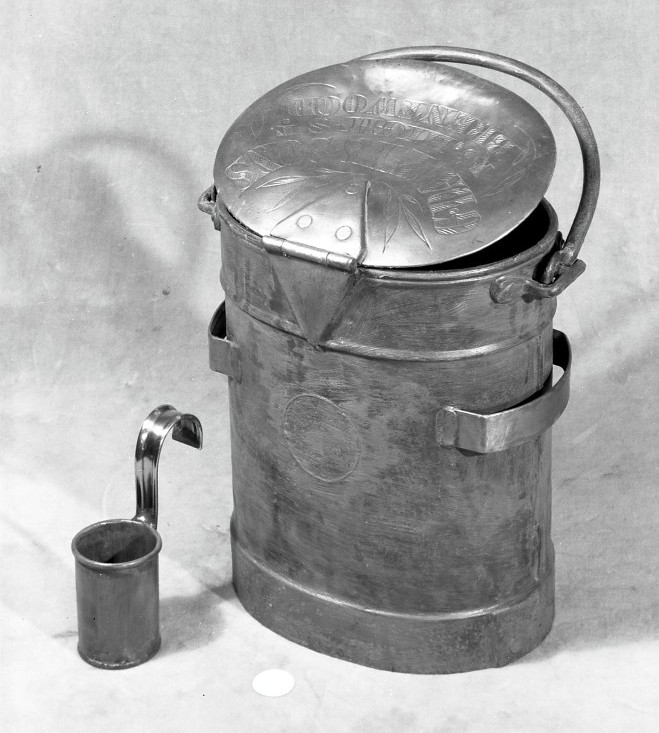
Edith’s work with Mattick was significant. After Louis Pasteur, there had been earlier studies on pasteurisation, but previous pasteurisation techniques had been time consuming despite the development and implementation of the first commercial pasteurisation machine in 1923. It was installed in the Aylesbury Dairy Company, Bayswater in 1923. This is one such pasteurisation machine held at The MERL.
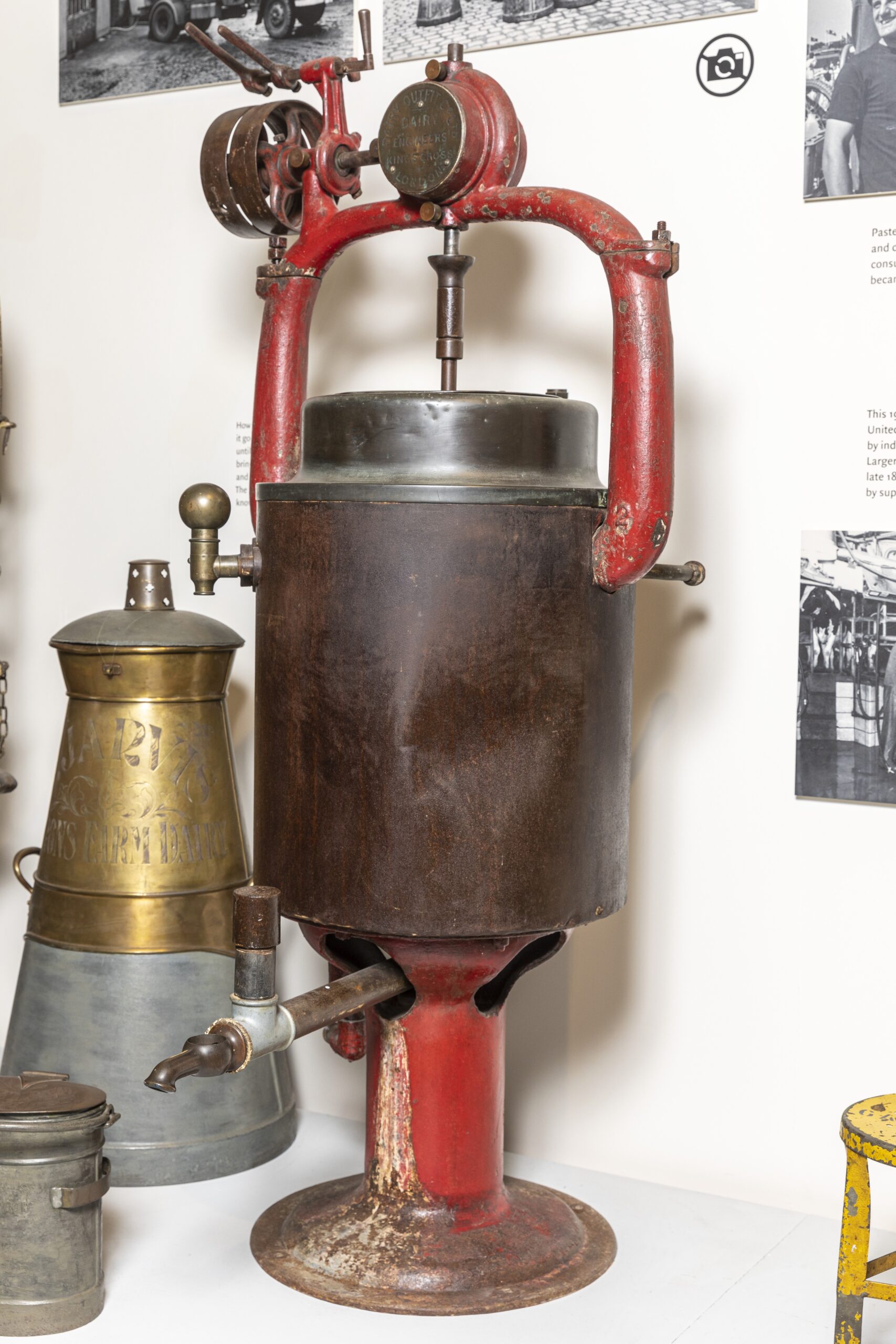
Previously, when pasteurisation had taken place, it had a temperature of 145 to 150 degrees Fahrenheit (62 to 65 degrees Celsius) and had to be held for at least 30 minutes. The work of Edith and Mattick was a major development as it assisted farmers and factories, pasteurising milk at 160 degrees Fahrenheit for only 15 seconds.
Under the Tuberculosis (Attested Herds) Scheme of 1938, farmers were unable to have milk or dairy products brought onto their farms to feed cattle or other animals unless it was boiled or pasteurised. In addition, the public liked a ‘cream line’, and other heating methods had destroyed this. Previous high temperatures and sustained heating had also destroyed key elements of the milk making it unpleasant to consume. This method of heating maintained it and at the time there were hopes that this would become a new legal requirement.
During the Second World War, the issue of pasteurisation was taken seriously as workers who were competent in the practice were put on reserve lists and those who were called up were returned to their jobs. There were concerns for the impact on pasteurisation if the skilled workers were replaced with less skilled.
Pasteurisation was also on the global stage. Previously, there had been opposition to pasteurisation in the UK although this lower temperature had been accepted in the US. Concerns had been raised that pasteurisation would reduce or destroy vitamins and minerals, in particular vitamin A and D that prevented Ricketts.
As new pasteurisation methods developed, the temperatures, taste and nutritional content could be preserved with a level of cream as well as reducing the time required.
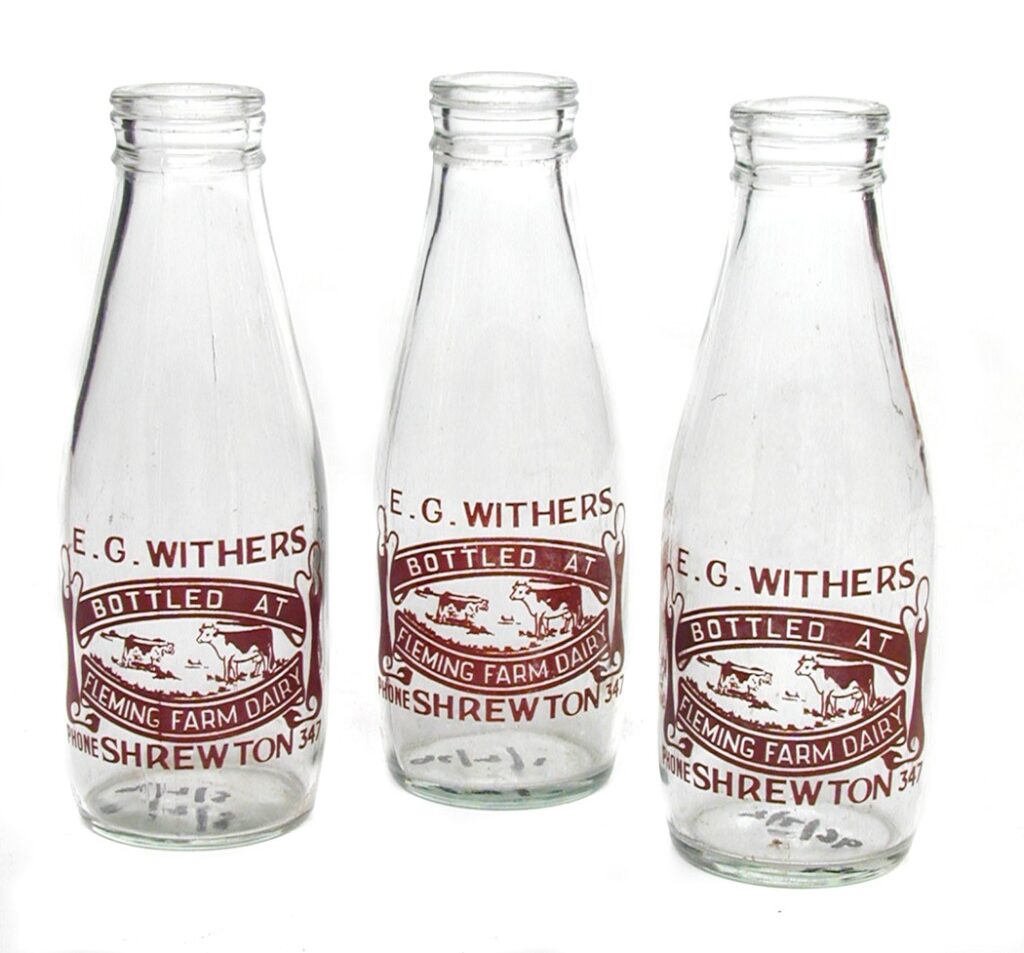
Life did not stop for Edith. During this time, she was cited as undertaking ‘domestic duties’ whilst working at NIRD and raising her nephew who became the Oxford geologist Professor Ewart Albert Vincent.
Edith and Alexander Mattick continued to collaborate on further papers during 1951 until Edith’s retirement in 1952.
Further reading
- Hiscox and Mattick, High Temperature Short Time Pasteurisation, MERL PAMPHLET 4370 Box 18/14
- “Fruitiness” in Whey, Part I, Bacteriological Studies’, E. R. Hiscox and K. Lomax, National Institute for Research in Dairying, Reading, The Annals of Applied Biology, vol. XI, nos. 3 & 4, October 1924
- Clean Milk Competitions 1924-1925 – Ministry of Agriculture and Fisheries MERL PAMPHLET 4370 Box 6/09
- Tuberculosis (Attested Herds) Scheme, Ear Marking of Cattle, Ministry of Agriculture and Fisheries, MERL PAMPHLET 4460 Box 2/64
- Phosphatase test – An industry standard test that measured the alkaline enzyme found in raw milk which confirms whether milk has been pasteurised properly and that harmful bacteria has been destroyed ↩︎