How do you give medicine to a horse?
-
Author
- ehunt
-
Published Date
- July 8, 2019
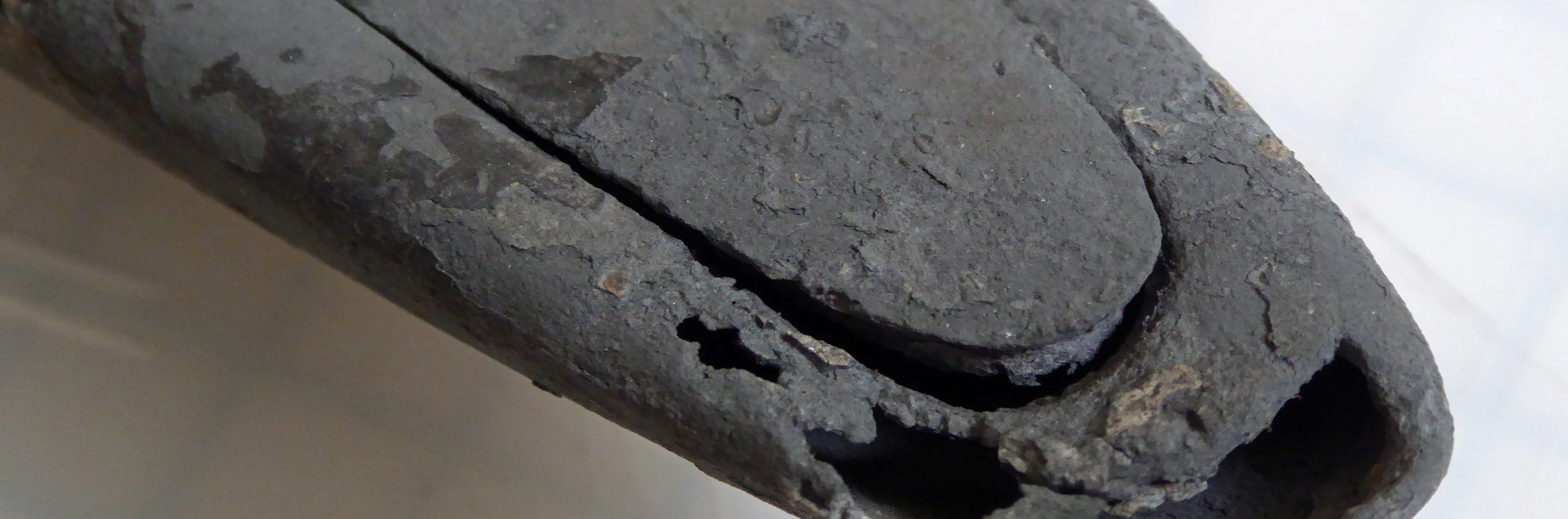
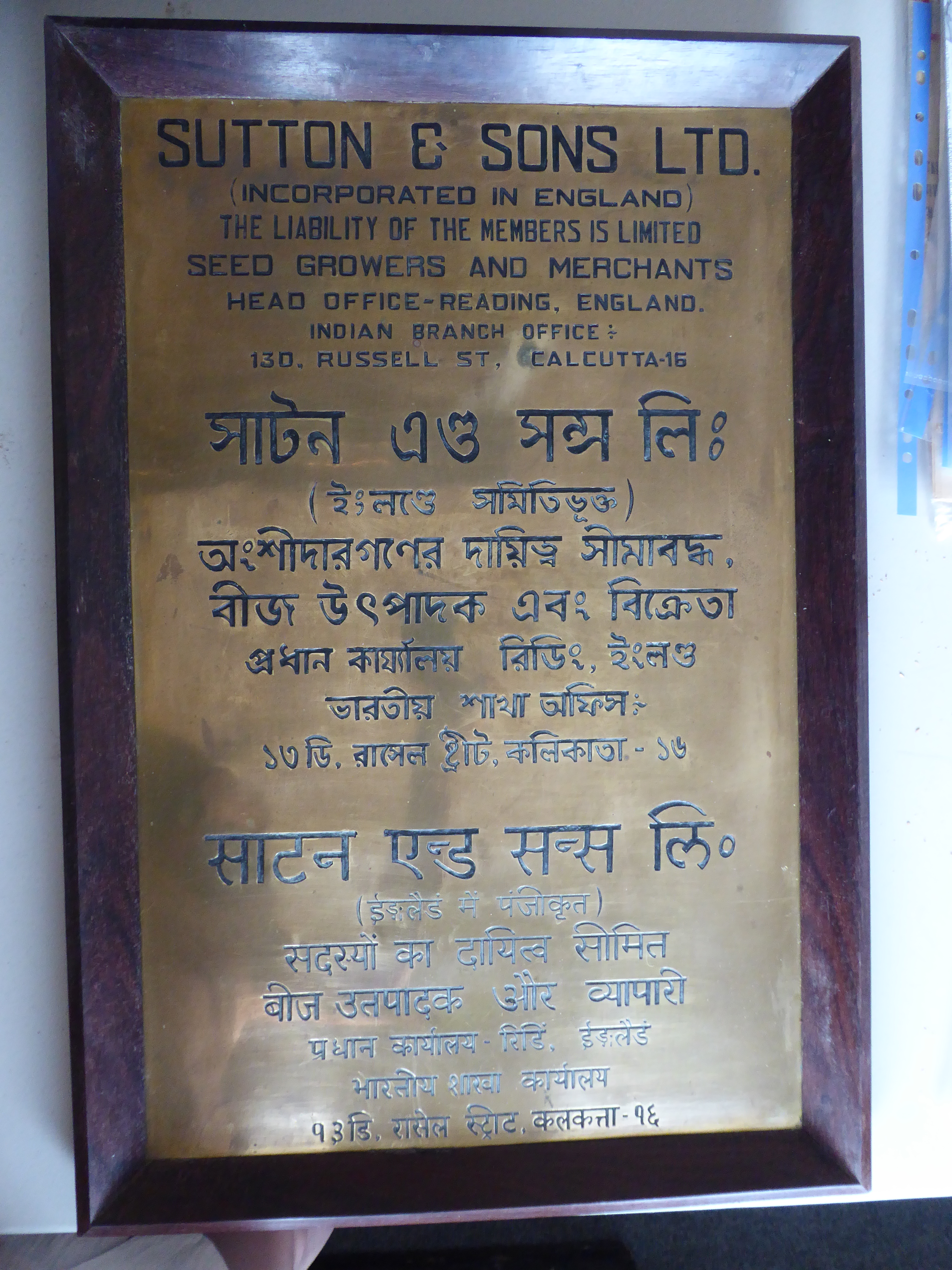
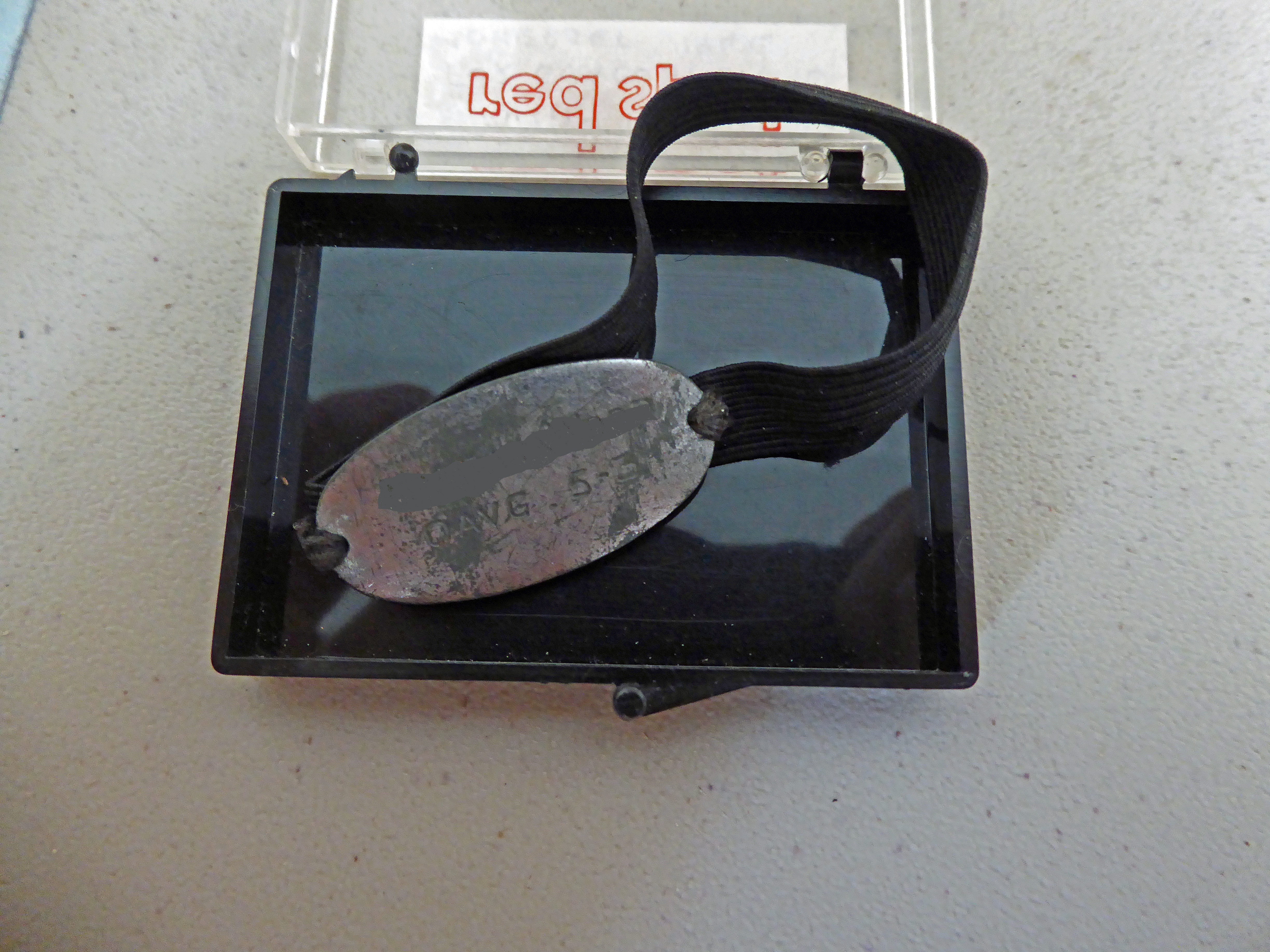
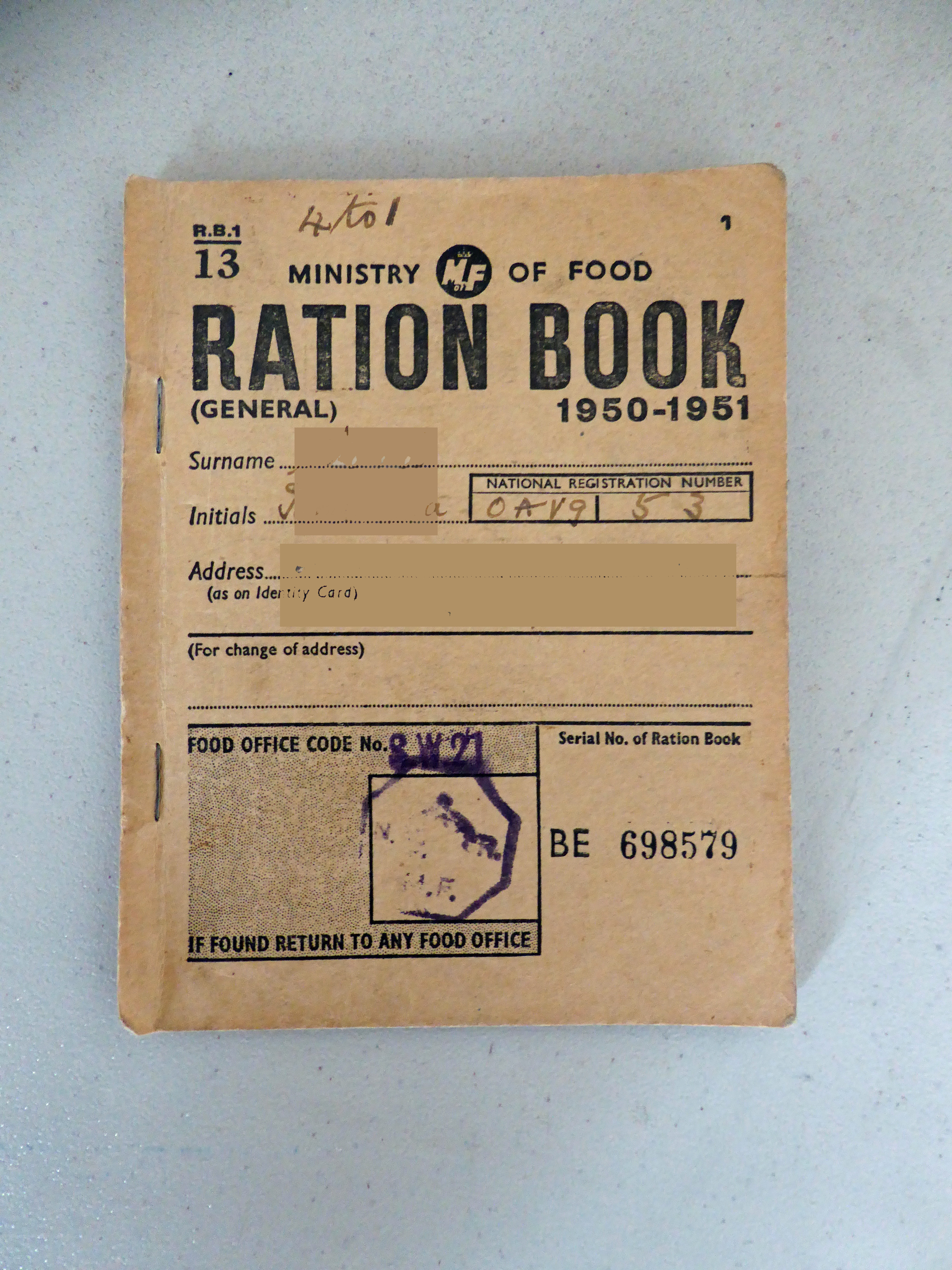
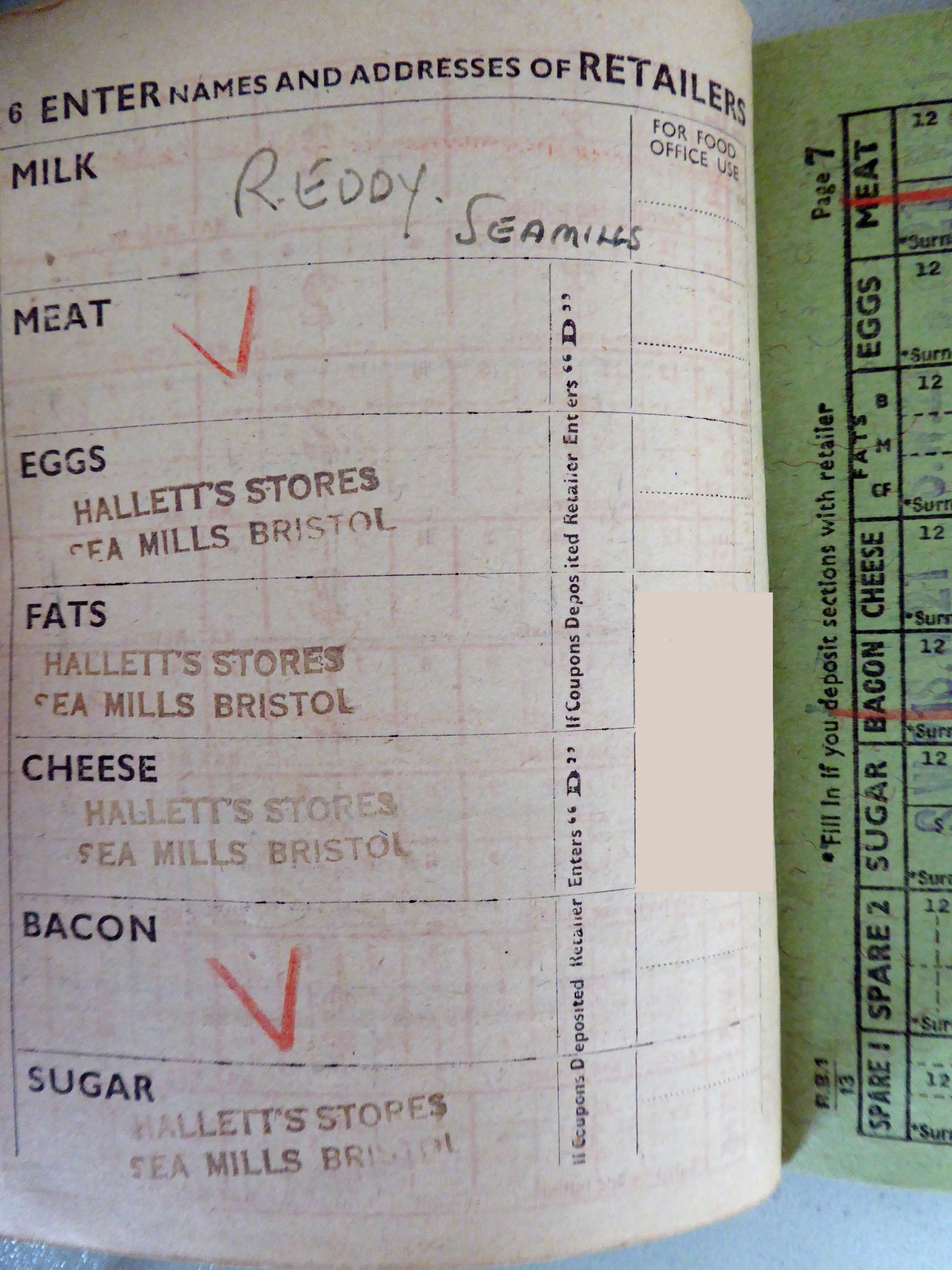
<<<< How do you give medicine to a horse? Good question. It’s something farmers and vets have put a great deal of thought into over the years. In 1827, Charles Gibson proposed a solution – the drenching spoon. ‘Drenching’ allows medicine to be safely administered to a patient, while minimising the risk of the patient choking, or the solution being spit out. Originally designed for human patients, patents were later sold to other manufacturers who continued the spoon’s production for a variety of purposes, including veterinary and equine medicine. The spoon was rewarded by the Society of Arts in 1828. The spoons’ use is described in this excerpt from the 1882 Penny Cyclopaedia of the Society for the Diffusion of Useful Knowledge (vol. 22): The medicine-spoon invented by Mr George Gibson, and rewarded by the Society of Arts in 1828, is a convenient instrument for administering fluid medicine to children, or to patients in a recumbent position. The bowl is of longer and deeper proportion than that of a common spoon, and is completely covered, excepting a small aperture at the end; and the handle is short, and consists of a tube opening at one end into the bowl, and capable of being closed at the opposite end by application of the thumb. The medicine is poured in at an opening in the lid, which is then closed with a tightly fitting cover hinged to the spoon. Originally made of silver, later examples made use of pewter, making the spoon cheaper for manufacturers to produce and for customers to purchase. Historically, drenching was achieved by using drenching horns, while later examples include drenching bottles and drenching syringes. Examples of each of these items can be found in The MERL’s collections. We aren’t sure if this particular drenching spoon was produced by Gibson or when it was made. Due to its condition, there are no visible markings or hallmarks, and its history is unknown. It was found in a coal shed, which had previously been used as a stable, so we can presume that it was used in the treatment of horses. Whilst something of a mystery, it is nonetheless a fascinating object and an insight into the ways in which medicine has changed over the centuries. The MERL and our adjoining archives are fortunate enough to have an extensive and fascinating collection of items relating to World War Two, the home front, and evacuation. Objects, photographs, letters, and oral histories all allow us to paint a picture of the social impact of the war and the steps being taken closer to home to keep the population safe. These two objects are a great example of this. This identity disc was worn by the donor when she was evacuated from Bristol to Somerset in 1942. A small metal disc worn on the wrist, this item is inscribed with the donor’s name and health identity number. As the donor herself recollects: All evacuees from Bristol, as far as I know, were required to wear identity discs like this one. The numbers refer to our health identity numbers. Presumably the discs would have been useful had we become lost or injured. All evacuees would have worn their identity discs on the day of evacuation. I don’t remember wearing them any one time – but perhaps we did during air raids. This identity disc is just one example of the steps being taken in Britain as part of the war effort to ensure the country’s children were evacuated safely from the cities. The second item donated alongside this identity disc is a ration book. This ration book was used by the donor while living in Bristol between 1950-1951. Introduced in January 1940, rationing lasted for a total of fourteen years, coming to an end on 4th July 1954 when the final restrictions on meat and bacon were lifted. Ration books such as this were provided by the Ministry of Food, and contained coupons with which the owner could purchase their weekly allowances of foods, textiles, soap, and tea. The owner of this ration book was registered as a vegetarian and was provided with extra allowances of cheese as a substitute. This is a great insight into the social impact of the war in Britain, as well as the ways in which rationing was undertaken, including meeting individuals’ dietary needs. This particular object has us looking slightly further afield than the English countryside. This brass plaque was originally hung outside of the Calcutta offices of Suttons Seeds. Founded by John Sutton in 1806 under the name ‘House of Sutton’, the Reading-based company initially traded as corn merchants, before moving into the flower and vegetable seed trade in the 1830s. Sutton’s rapidly expanded and were soon trading with a global market. To meet the increased demand that the company soon started to face, Suttons and Sons Ltd. opened an office in Calcutta, India, and it was this plaque that hung outside. Written in English, Bengali and Hindi, the plaque states ‘Sutton & Sons Ltd. (Incorporated in England) The liability of the members is limited. Seed growers and merchants. Head office – Reading, England. Indian branch office: 130 Russell St. Calcutta – 16’. The donor of this item was the managing director of the Suttons Calcutta branch between 1957 and 1972 and acquired the plaque upon his retirement. The University of Reading holds the archives for Suttons Seeds Ltd., with records covering the period 1714-1956. This plaque is a fascinating example of the ways in which local industry rapidly expanded during the 19th and 20th centuries, reaching new global markets across the British Empire as new trade links were established.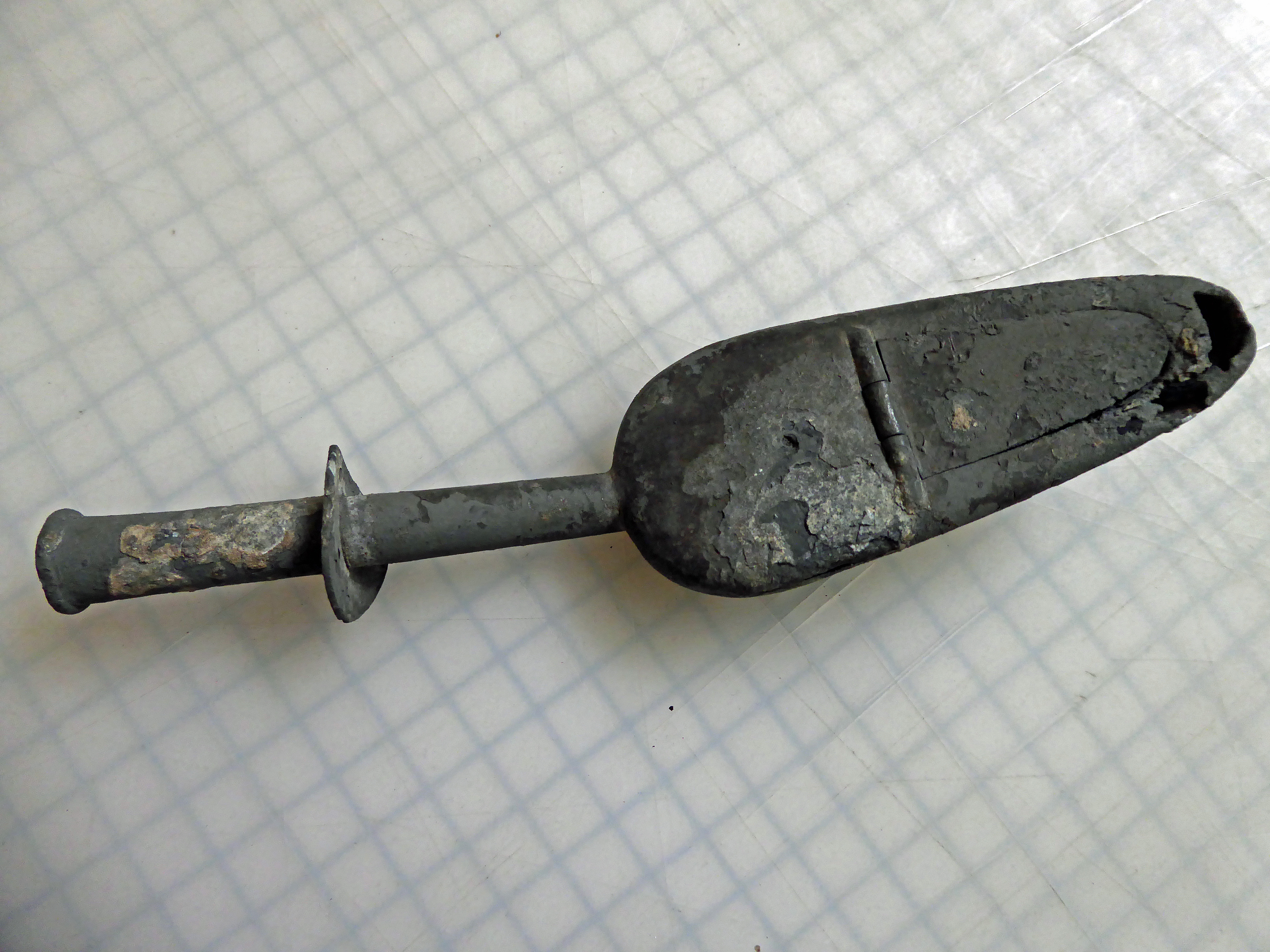
Identity Disc and Ration Book
Suttons & Sons Plaque