Skip to content

International Women's Day: The Women's Land Army

Author
Alison Hilton
Published Date
March 8, 2015

<<<To celebrate International Women’s Day, University of Reading student Dylan Doran has been exploring the collection of Women’s Land Army objects here at the Museum.

The Women’s Land Army (WLA) was created in 1915 to help farmers cope with the shortage of male labour as a result of the First World War. It was brought back into action for the Second World War, at first on a voluntary basis before conscription was enforced. Although many women in the WLA already lived in the countryside, many came from urban centres.
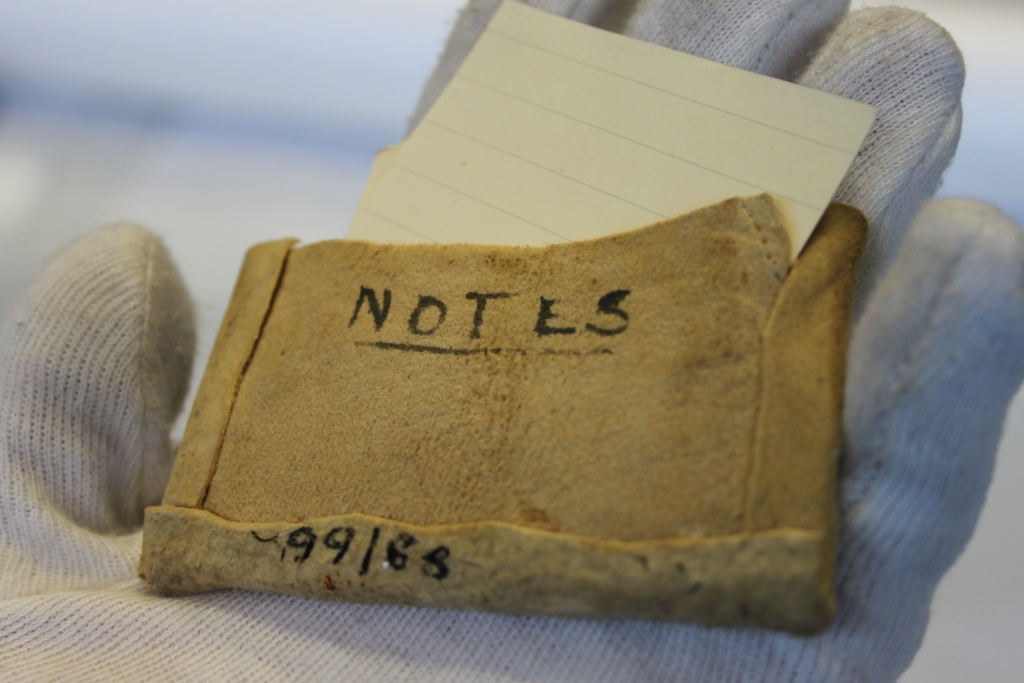
A leather notebook used by Land Girl Doreen Thorp (MERL/88/66).

The 20th century saw great strides in equality of the sexes, and one of the ways in which British women made further steps towards emancipation is undoubtedly their efforts in the Women’s Land Army. Skeptics did not believe that women would be suited to the hard labour involved in farmwork, but the Army of 65,000 Land Girls went on to produce the majority of Britain’s food by 1943, happily proved the critics wrong.
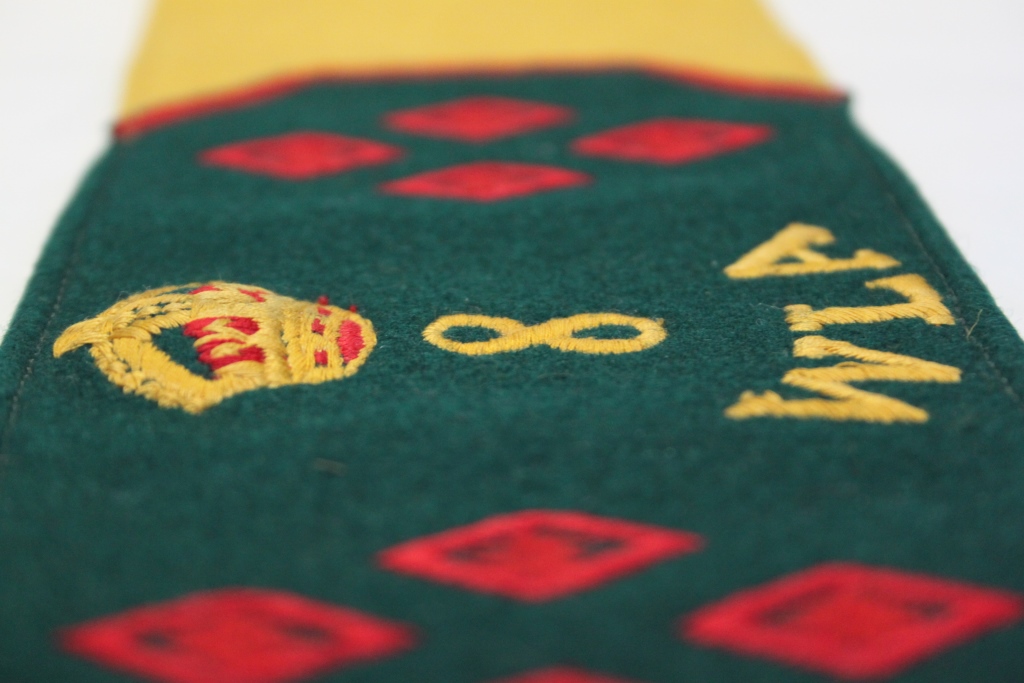
A WLA arm-band awarded by the Queen for eight years of service (MERL/2007.53)

The women took to farmwork with speed and skill. This Golden arm-band was awarded by the Queen herself to a Land Girl for her impressive years of service, having joined up from the Land Army’s beginning – when she was only sixteen years of age – and stayed working on the land until the Women’s Land Army disbanded.

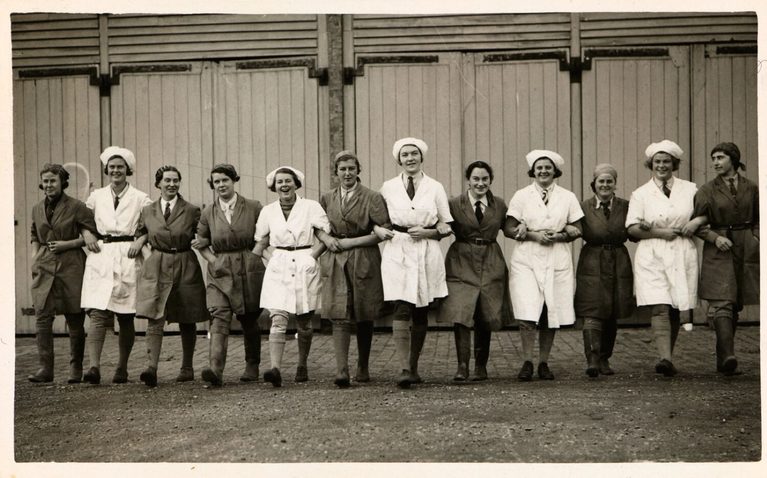
Women's Land Army tractor mechanics training at Wye College, Kent (P FS PH1/K21433)
Women’s Land Army tractor mechanics training at Wye College, Kent (P FS PH1/K21433)
Robert Davey
Author
Joe
/
Published Date
September 1, 2026

Remembering Robert Davey

All of us at The Museum of English Rural Life are deeply saddened by the recent passing of Robert Davey – a valued member of our community.

Merle the bat, asleep in a glove
Author
Joe
/
Published Date
August 19, 2026

So we found a live bat in our galleries (again)

Seven years after we gave a bat a library card, another bat has visited The Museum of English Rural Life.

three glass pint milk bottles
Author
Madeleine
/
Published Date
June 15, 2026

Milking Time: Bacteriology and Pasteurisation

Explore the University of Reading’s role in dairying research into milk pasteurisation.

Richard Watts film archive
Author
Joe
/
Published Date
May 12, 2026

Watts in the Country: Inclusive Approaches to Rural Film (with the BFI)

We’re collaborating with film NGO Real Time, volunteers, and focus groups to bring the Richard Watts archival film collection to rural communities across Britain.

Author
Madeleine
/
Published Date
March 6, 2026

International Women’s Day 2026: Hidden histories

Discover the stories of three women curators, collectors, and designers in the 20th century.

Handwriting in a farm letter
Author
Joe
/
Published Date
February 25, 2026

Queer histories in the farm records

What can farm records teach us about same-sex relationships? Researcher Tim Jerrome shares his work exploring queer rural experiences.