Digitising the Fowler archives
Learn about our project to improve access to our Fowler archives of engine drawings, including 7,171 new drawings in our database
-
Author
- Joe
-
Published Date
- September 15, 2026
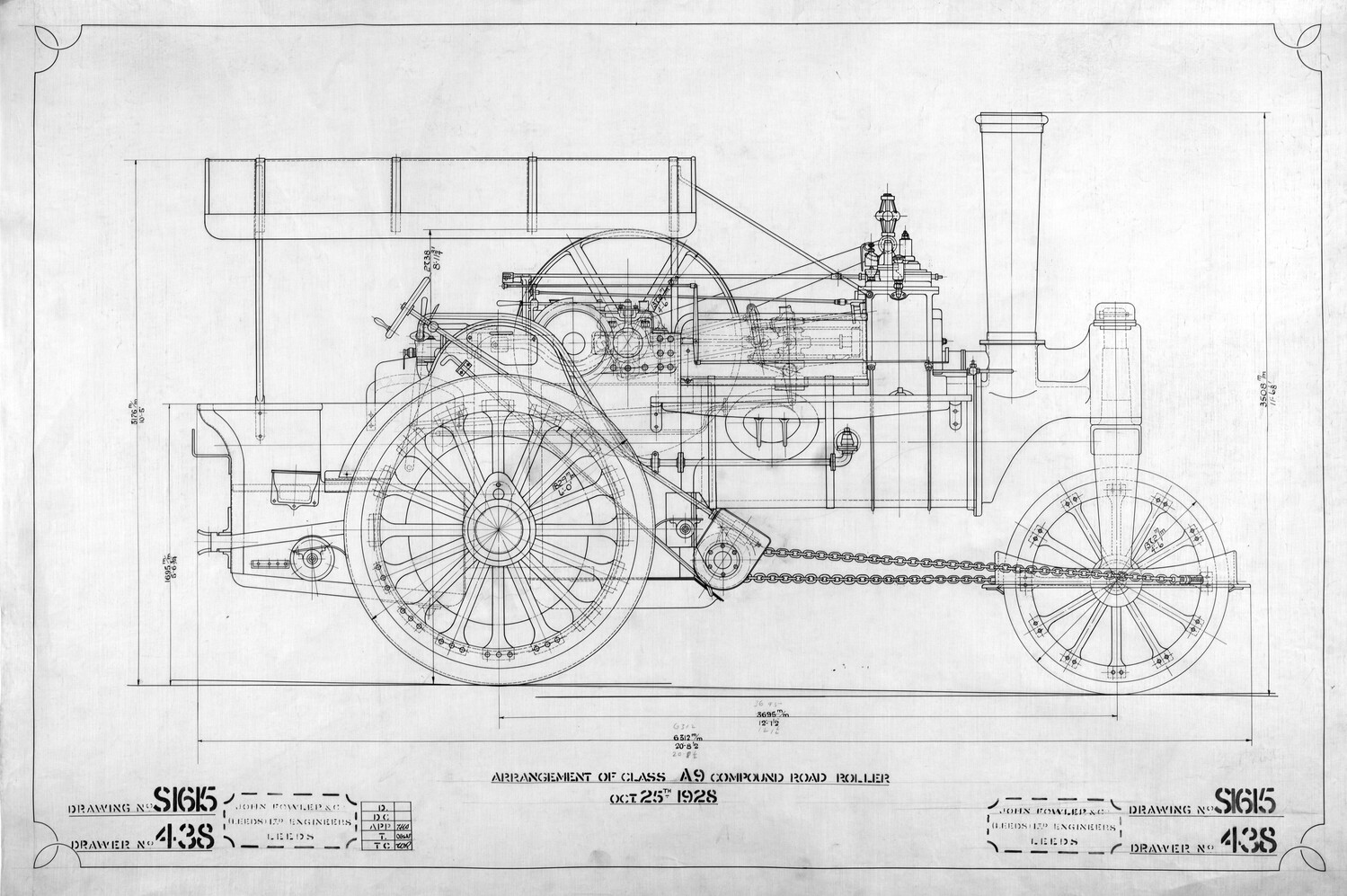
Over the last 18 months, we have been digitising and cataloguing almost 15,000 engineering drawings from the John Fowler & Co (Leeds) Ltd. Archive. Below, find out more about the digitisation process and the drawings we uncovered.
With thanks to the National Traction Engine Trust for their ongoing support.
The John Fowler & Co (Leeds) Ltd. Archive
The Fowler archive consists of a vast number of company records dating from 1850 to 1971. They include commercial records, engineering drawings, manufacturing records, publicity materials, and photography.
The archive provides a great insight into many aspects of the Fowler business. In particular, the drawings are an invaluable tool for people looking to repair and rebuild various Fowler products today.
![Arrangement of Class A9 compound road roller (25 Oct 1928) [TR FOW DO1/S1615]](https://merl.reading.ac.uk/wp-content/uploads/sites/10/2026/09/318777_Large-1024x681.jpg)
Digitising the drawings
The project began by photographing each drawing with a two-camera setup (pictured below). In each setup, we mounted a camera on a copy stand, directly above a flat surface, enabling us to move the camera up and down depending on the size of the material being photographed. We mounted studio lights on either side of the camera to avoid shadows and ensure consistency across all photographs.
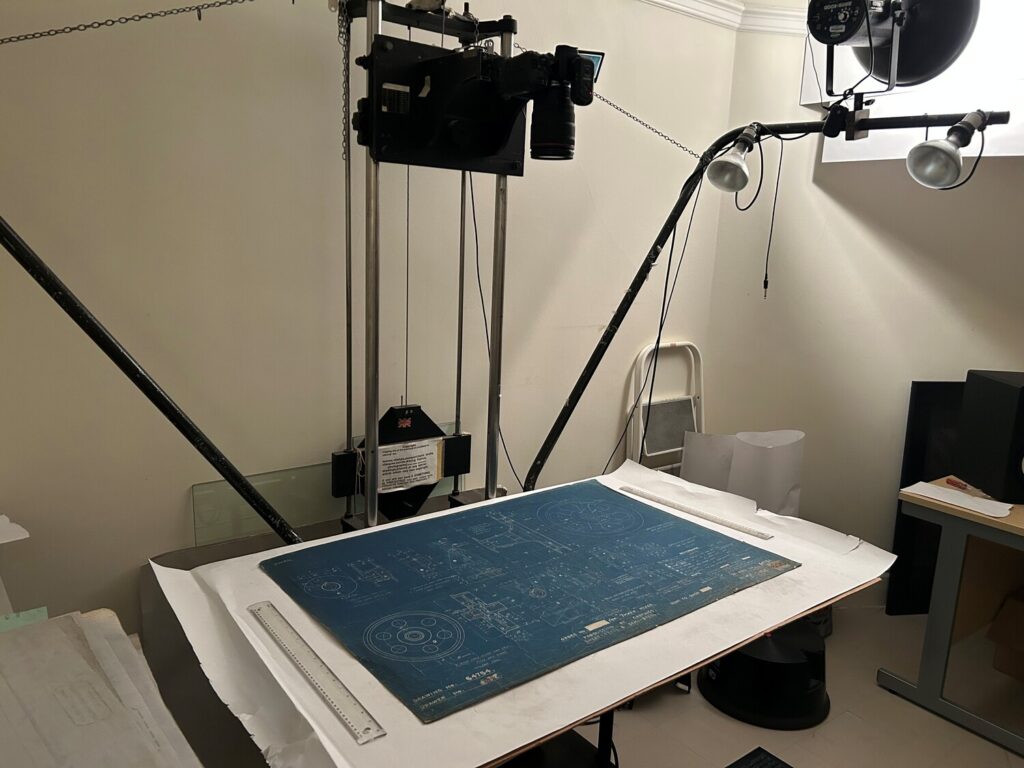
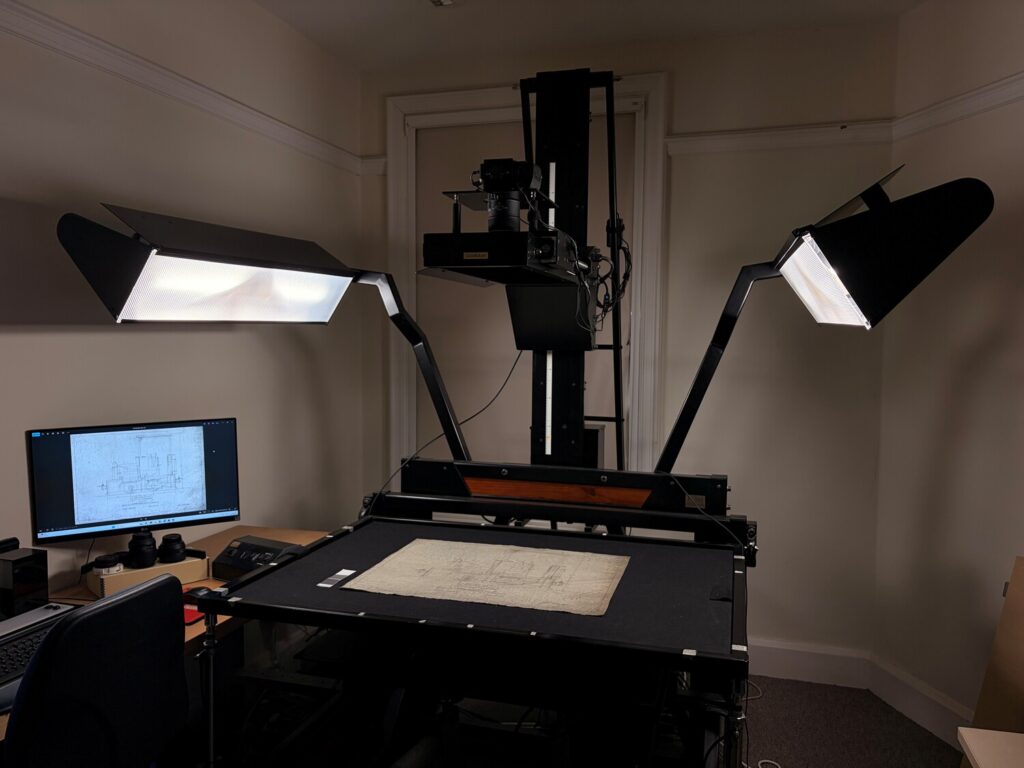
When digitising archival documents, it’s important to make sure that the digital version captures every detail. In this project, we made sure the digitised drawings had a high-resolution – roughly 8000x5000px. Having images of this size also means we can print high-quality copies of the drawings for researchers.
Digitisation also presented an opportunity to reveal previously obscured details on some of the drawings. As a result of their use during the factory production process, many of the drawings are embedded with historic dirt or oil staining which covers some of the content. By making small edits to some of the images, such as increasing the contrast, we’ve managed to improve the visibility of these details on the digital versions.
In the long term, digitisation will help with the archive’s preservation, as materials won’t need to be handled by staff or researchers as often. This is particularly important for materials that are especially fragile, like ones that are damaged or drawings on tracing paper.
Uncovering new drawings
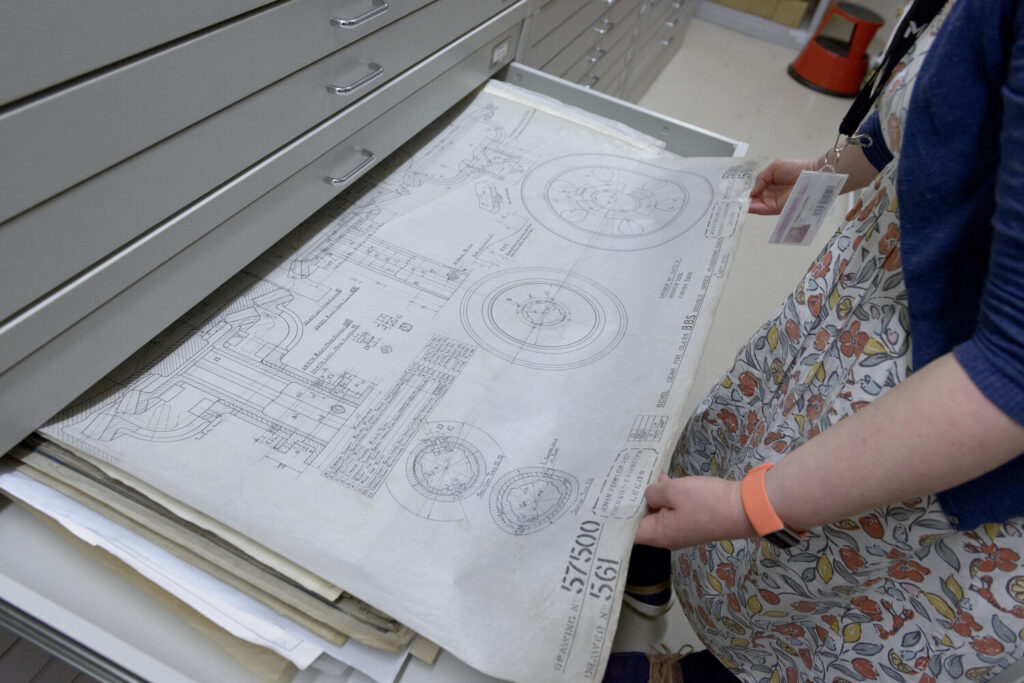
After we photographed each drawer, we processed the images and compared them to the data in our archive catalogue. This allowed us to correct any issues (like incorrect titles or dates) and identify any drawings that weren’t yet on the system.
Through this process, we found that 7,171 drawings were missing from the catalogue. These have all now been added, meaning more drawings are available than ever before!
What drawings are in the collection?
The drawings span from 1869 to the 1970s, with the earliest being a general arrangement of a 3 tyne subsoil cultivator.
![The oldest drawing in the Fowler collection [TR FOW DO1/63]](https://merl.reading.ac.uk/wp-content/uploads/sites/10/2026/09/272685_Large-1024x625.jpg)
Most of them relate to Fowler’s range of traction engines, ploughing engines, rollers and locomotives. There are general arrangements showing the overall engine, as well as drawings that detail individual parts. On the collection’s A to Z page, you can use our reference guides to find drawings used in the production of various engine types, such as the B4, DN and Superba.
![General arrangement of 200/220HP diesel locomotive 0-6-0 type 4’-8 ½” gauge (22 Dec 1939) [TR FOW DO1/S3468]](https://merl.reading.ac.uk/wp-content/uploads/sites/10/2026/09/324430_Large-1024x683.jpg)
There are also many drawings that show other Fowler products such as wagons, ploughs, railway tracks, and even their patent steam bus! They also often made drawings depicting how the products should be used, such as the ‘Section of Earthworks’ drawing below that shows excavators at work.
![Arrangement of Fowler Patent steam bus to seat 36 passengers (27 Sept 1924) [TR FOW DO1/65930]](https://merl.reading.ac.uk/wp-content/uploads/sites/10/2026/09/303793_Large-1024x689.jpg)
![Arrangement of petrol electric passenger & parcels rail car (28 Sept 1931)[ TR FOW DO1/S134]](https://merl.reading.ac.uk/wp-content/uploads/sites/10/2026/09/317502_Large-1024x652.jpg)
![Section of earthworks (17 Aug 1932) [TR FOW DO1/S2471]](https://merl.reading.ac.uk/wp-content/uploads/sites/10/2026/09/321277_Large-1024x689.jpg)
Accessing the drawings
So researchers can get an idea of what each drawing looks like, we’ve made them all available to preview on our online catalogue, Enterprise.
You can search within the Fowler drawings by inputting “TR FOW DO1” (in the quote marks) and then inserting a part name or drawing number, i.e. “TR FOW DO1” DN boiler.
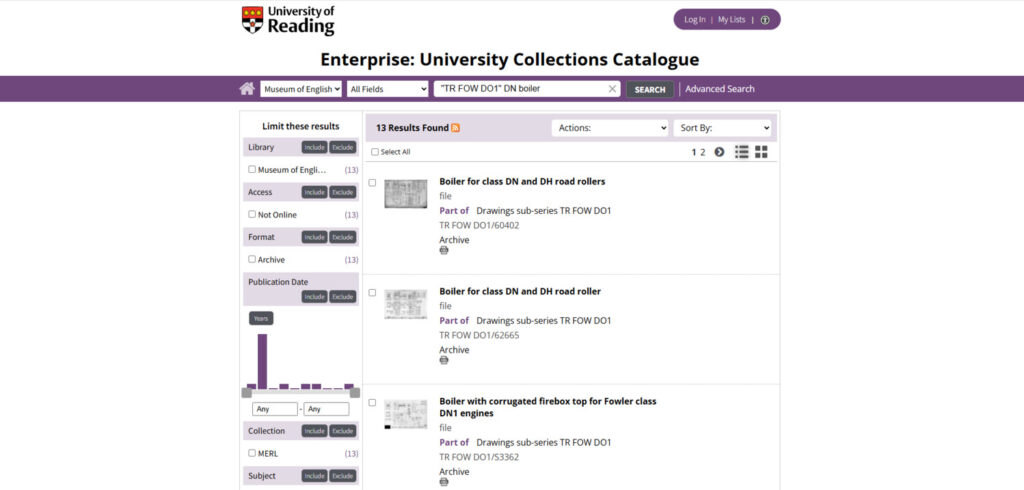
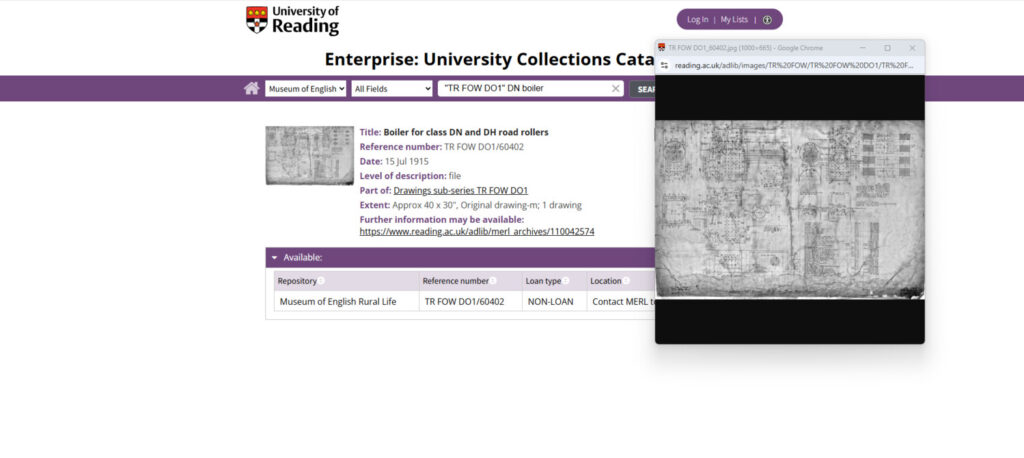
By clicking into a catalogue entry, you’ll be able to see the details of that drawing, as well as a preview. You can open a larger version of the preview by clicking on the image itself. It will then appear in a separate window, as shown below:
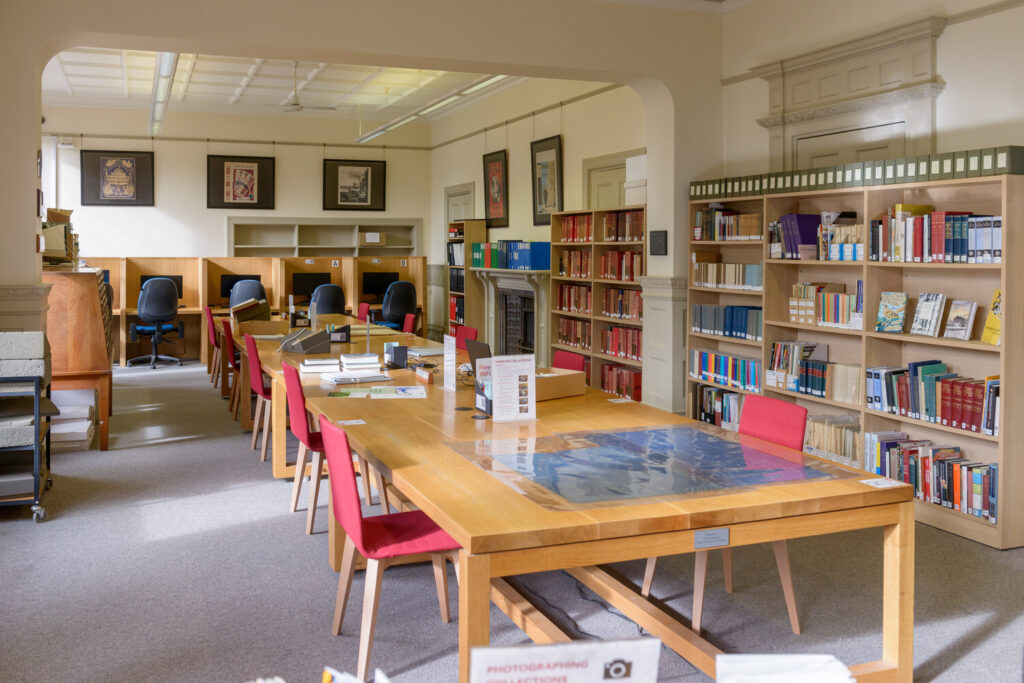
You can view the drawings in more detail in our Reading Room, where high resolution digital copies are available on our dedicated terminals. If you’d like to obtain your own copy of any of the drawings, you can order printed copies via our copying service.
What’s next for the Fowler drawings?
Now that the drawings have been digitised and made available, we’ve moved on to the next phase of the Fowler project. This will involve digitising almost 80 photograph albums, which contain thousands of photographs of products leaving the Fowler works.
If you have any questions, would like to arrange a visit to the Reading Room, or are interested in ordering copies of engineering drawings, please contact merl@reading.ac.uk.
Useful links
- View more information about the John Fowler & Co (Leeds) Ltd. Archive.
- Explore our online exhibition Fowler: National and International Steam Power.
- Discover a range of products featuring blueprints and engineering drawings in our online shop.