Wellcome news for Our Country Lives!
-
Author
- Alison Hilton
-
Published Date
- May 1, 2015
Assistant Curator, Ollie Douglas shares some exciting project news…
It has been hard keeping the news under wraps for the last few weeks, but it is very exciting to finally be able to share some news which will have a really significant impact on the Museum’s redevelopment. We are delighted to announce that The Wellcome Trust has awarded the Museum £385,277 for a new project, ‘Our Country Lives: Nutrition, Health and Rural England’. This will support the Museum’s current Heritage Lottery funded redevelopment and introduce new themes and interactive opportunities connected to animal health, human nutrition and rural healthcare.
We will be taking on new staff to work on the project, and a panel of specialist advisors will also help deliver a dynamic and diverse programme of science engagement, including online content, hands-on experiences and artistic interventions developed in collaboration with bio-medical experts. For the very first time the Museum will be able to explore the extraordinary links between science and the countryside, connecting these vital topics to its diverse and surprising collections.
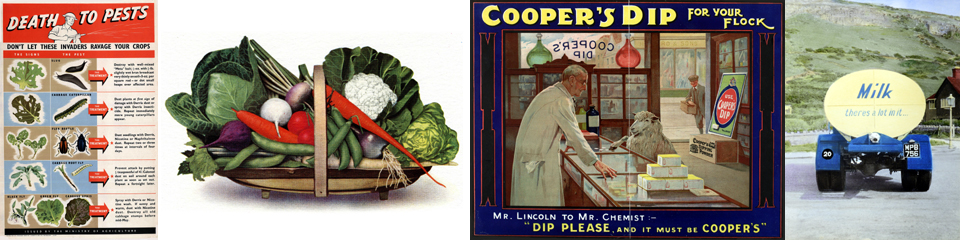
Emphasis on the science underpinning rural life represents an exciting challenge and a new direction. This project will transform the Museum from a site of agricultural heritage into a centre that engages the public in the science behind the food that they eat, the research that underpins the health of domestic animals, and some of the biggest challenges of the 21st century such as food security and human nutrition. Such topics will form the focus of interactive opportunities and exhibits in the new galleries, where visitors will be able to explore subjects as diverse as bovine tuberculosis, the challenges of animal birthing and the latest research into links between milk fat and health. These subjects will be linked to extraordinary collections including an articulated model calf used in veterinary training, 19th-century livestock portraits that reveal the power of selective breeding and a type of straw mattress used in delivery of country babies.
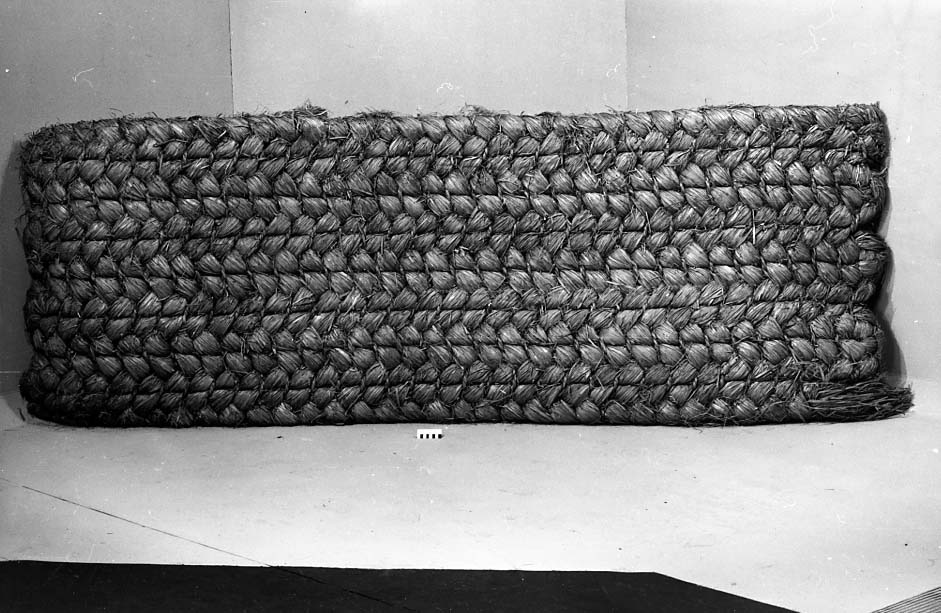
As a museum, we are already known for our compelling social history exhibits and for innovative explorations of how our ideas about the countryside have been shaped through popular culture. The combination of new posts, new displays and new programming made possible by this funding will help us to tell a more inclusive, evocative and complete story. It will mean that we are able to speak and appeal to a much greater diversity of visitors and that we can explore complex scientific questions and issues that are of profound importance to all our lives.

The Museum’s dedicated team are hard at work developing content for displays and interleaving this with new bio-medical and scientific narratives. A wide range of specialists from the University and beyond will contribute towards this project as it develops, helping to bring our rural heritage alive in new ways and connecting it to cutting-edge scientific thinking. Although rooted in museum-based activity and public engagement, this innovative scheme shows the potential for interdisciplinary thinking and cross-departmental collaboration to deliver exciting new departures and developments. The Museum is also keen for the project to provide students with opportunities to gain experience of public engagement and for related programming to support widening participation in the University.

We are very grateful to Professor Christine Williams OBE, an expert in Human Nutrition at the University of Reading and one of the project’s specialist advisors, for helping the Museum to secure this funding. She says “This shift towards exploring the links between biomedical science and rural life is extremely important for the Museum and for the wider scientific community. The University of Reading is committed to excellence in research and has strengths in the life sciences, particularly in relation to food and nutrition. This project will enable us to build stronger links between active research scientists and the wider public, using the Museum and its collections as an innovative platform on which to establish and build this relationship.”
We’ll be keeping you up to date with project developments in a ‘Wellcome news!’ series of posts here on the blog.
-
Tags
-
Author
- lottiewood
-
Published Date
- February 19, 2026
“I am the farm worker going home at evening”: gender fluidity, rural landscapes, and the Women’s Land Army
Library trainee Lottie Wood reflects on gender fluidity in the work of E. M. Barraud, and Barraud’s reflections on her time in the Women’s Land Army