Rural Reads Review #3 – Waterland by Graham Swift
-
Author
- Alison Hilton
-
Published Date
- November 4, 2013
<<Robert Davies, reviews our October ‘Rural Read’…
The book for MERL’s Rural Reads monthly book club last month was Waterland by Graham Swift. The book is set in the Fens and covers a time period of 200 years, successfully bringing the fens to life for the reader with vivid descriptions and endearing characters. For the scale of the time period the book is not as densely packed as one would automatically assume, the novel moves swiftly and smoothly, moving between different periods and is told by one narrator.
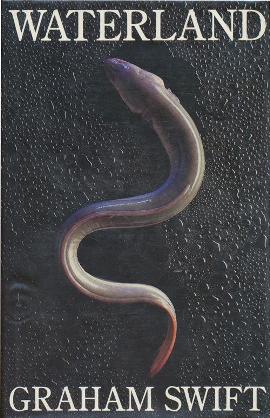
There are many elements and strands that contribute to the overall story that pulses through the novel. It is essentially a fictional family history and a history about the Fens. The story begins with the finding of a body and from there the story unfolds keeping the reader turning the page eager to know more. The author, Swift, speckles the novel with factual episodes that range from the construction of the fens to the life of an eel. The eel is the animal commonly associated with the Fens and slips through the novel with distinction. The discussion of the eel leapt from the page and into the debate during book group.
Swift deals with a multitude of themes within the book from murder, jealousy and love to the coming of age, and a major theme is loss. Loss of love, a way of life, children but I don’t want to give too much away. He also brings the Fens vividly alive. One would think he was a native of the land but on reading the introduction you discover he isn’t well acquainted with fens as you are led to believe with his fantastic writing. This is very interesting from a writing perspective; he poured his energy into his imaginative writing and not the research. Waterland still produced a positive response from people who are familiar with the Fens, which we believe is a sign of a good writer.
As a whole the group enjoyed the book, finding Swift’s descriptions and characters endearing, though there was one loose end which frustrated us a little. However, we thought the book to be a neatly bounded story that kept us engaged and entertained. It didn’t encourage any of us to visit the Fens, it’s not a book written to inspire people to visit the Fens as a holiday destination. However it did broaden our minds, engage us with a part of the country that we had not interacted with before and drew our attention to the life and times of eels!
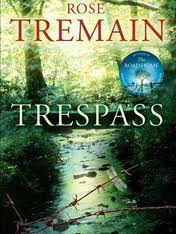
The book to read for the ‘Rural Reads’ meeting on November 28th, is Trespass by Rose Tremain. Join us for an informal chat and a mince pie! For the months of December and January we have decided to Lorna Doone by R.D. Blackmore.
-
Tags