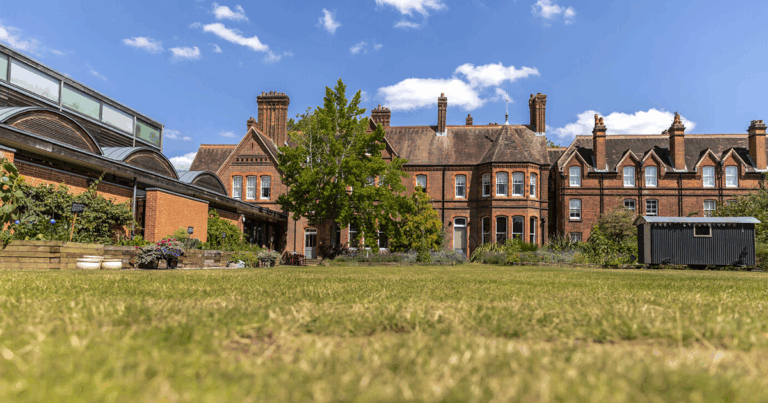
In the Garden: Reading Tree Wardens and MERL
-
Author
- Alison Hilton
-
Published Date
- August 23, 2016
<<<<<<
So on a gloriously sunny day back in July, Anna Iwashkin and Dr Michael Keith-Lucas came to the museum for several hours to help with the identification of trees in the front and back gardens, as well as from within the edible garden area next to the Reading Room.
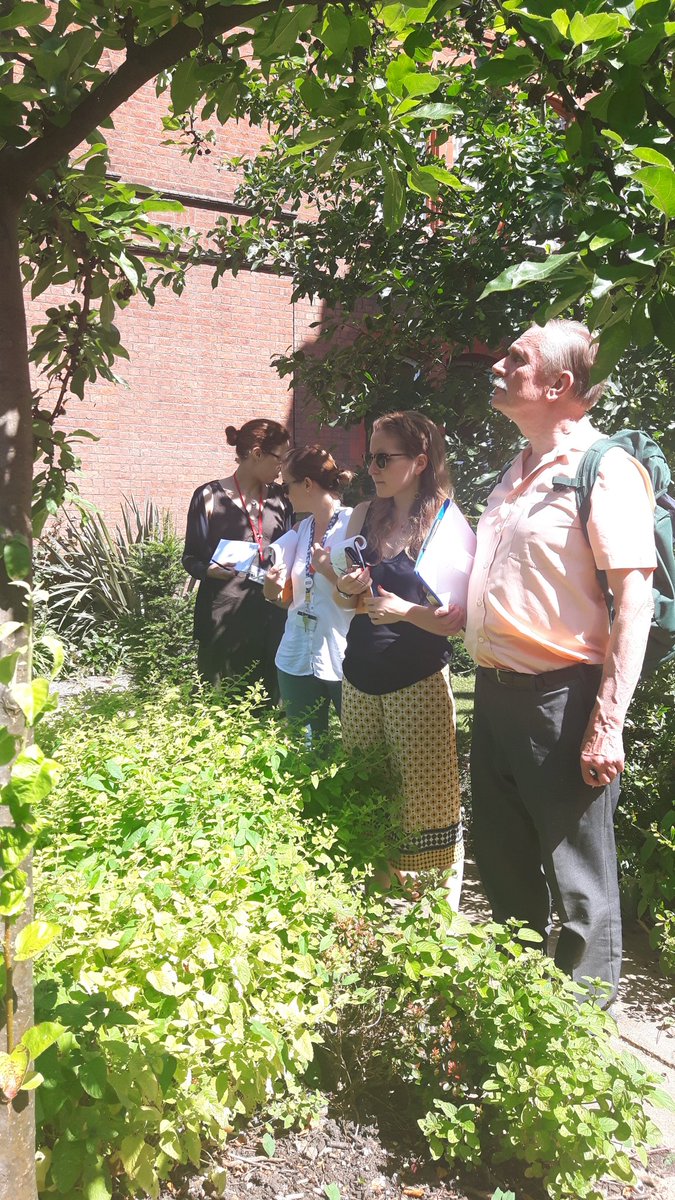
As we moved around the garden the sheer amount of knowledge they demonstrated was incredible. Usually able to recognise trees with just a quick glance, Dr Keith-Lucas would rarely need to turn to reference books for a more precise identification.
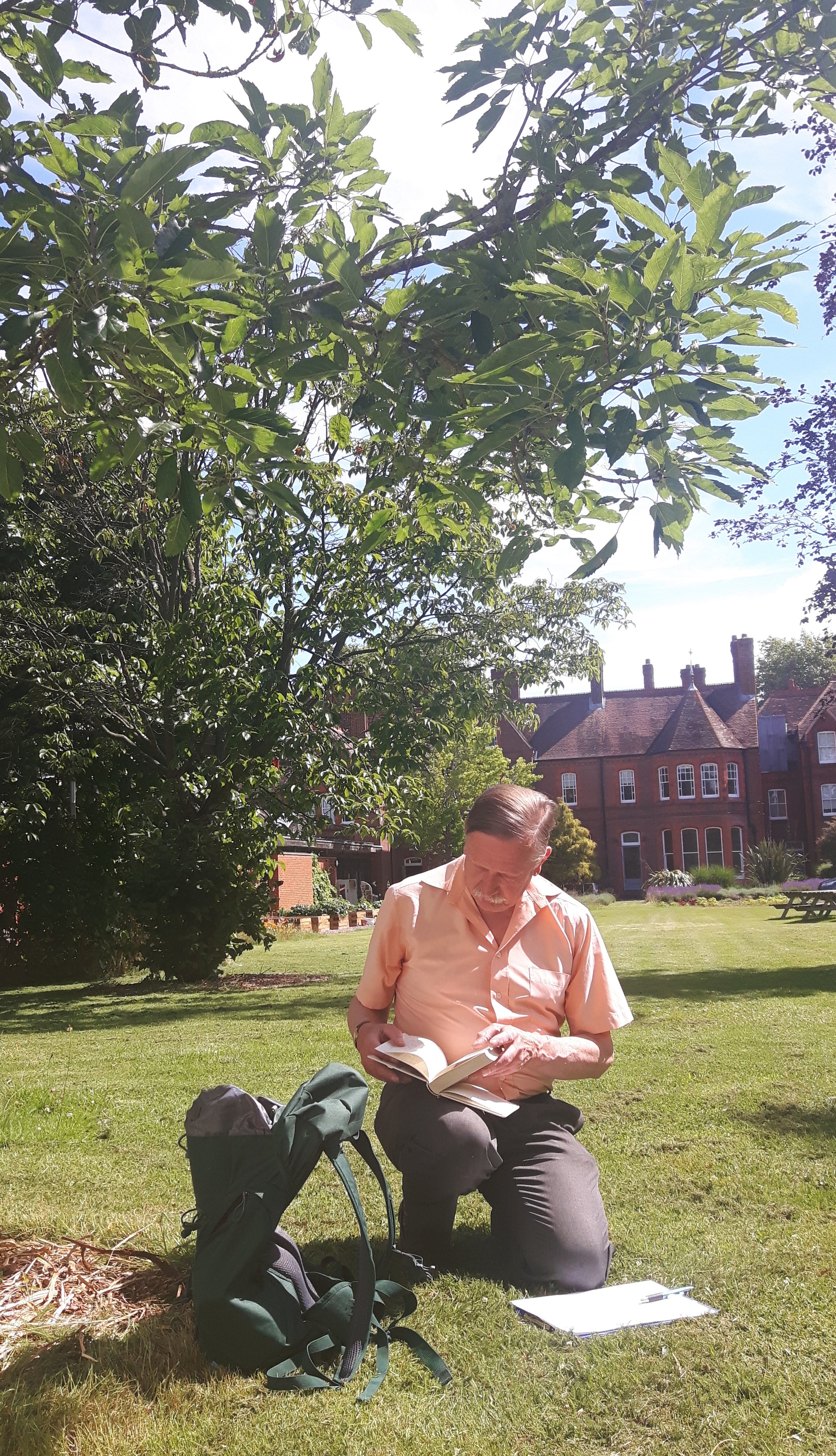
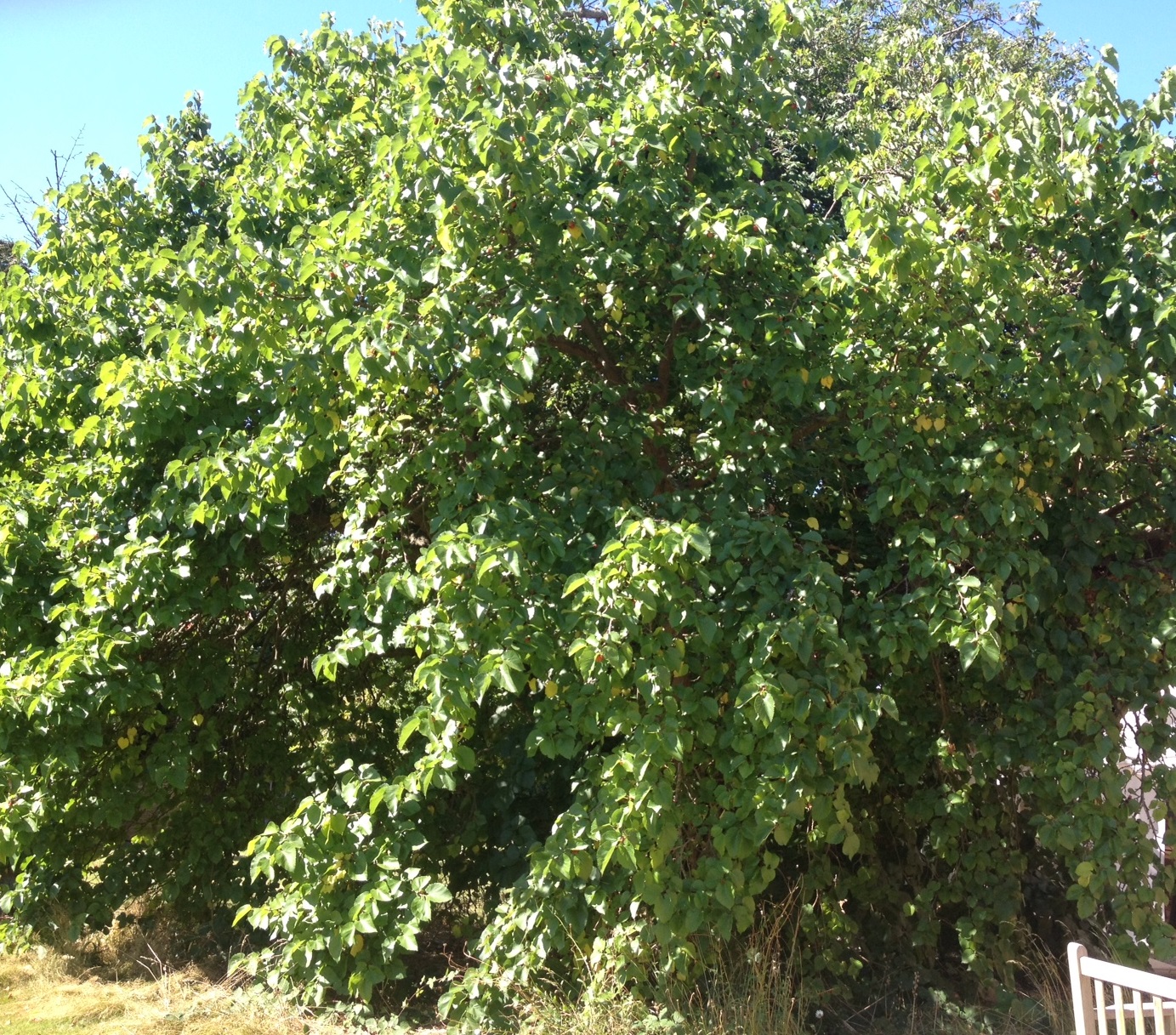
Dr Michael Keith-Lucas would also provide some amazing facts about the trees seen during the visit. The first of these was about this 100+ year old Black Mulberry tree towards that back of the museum, where we learnt these were introduced to the UK in the 18th century by people wanting to encourage silk worms. This turned out to be a mistake as silk worms actually feed on White Mulberry.
Other new information included that lime fruit won’t be growing on this row of small leaf lime trees. In this context, lime is actually a derivative of the word ‘line’. The bark fibres of the tree were used by our ancestors to produce string.

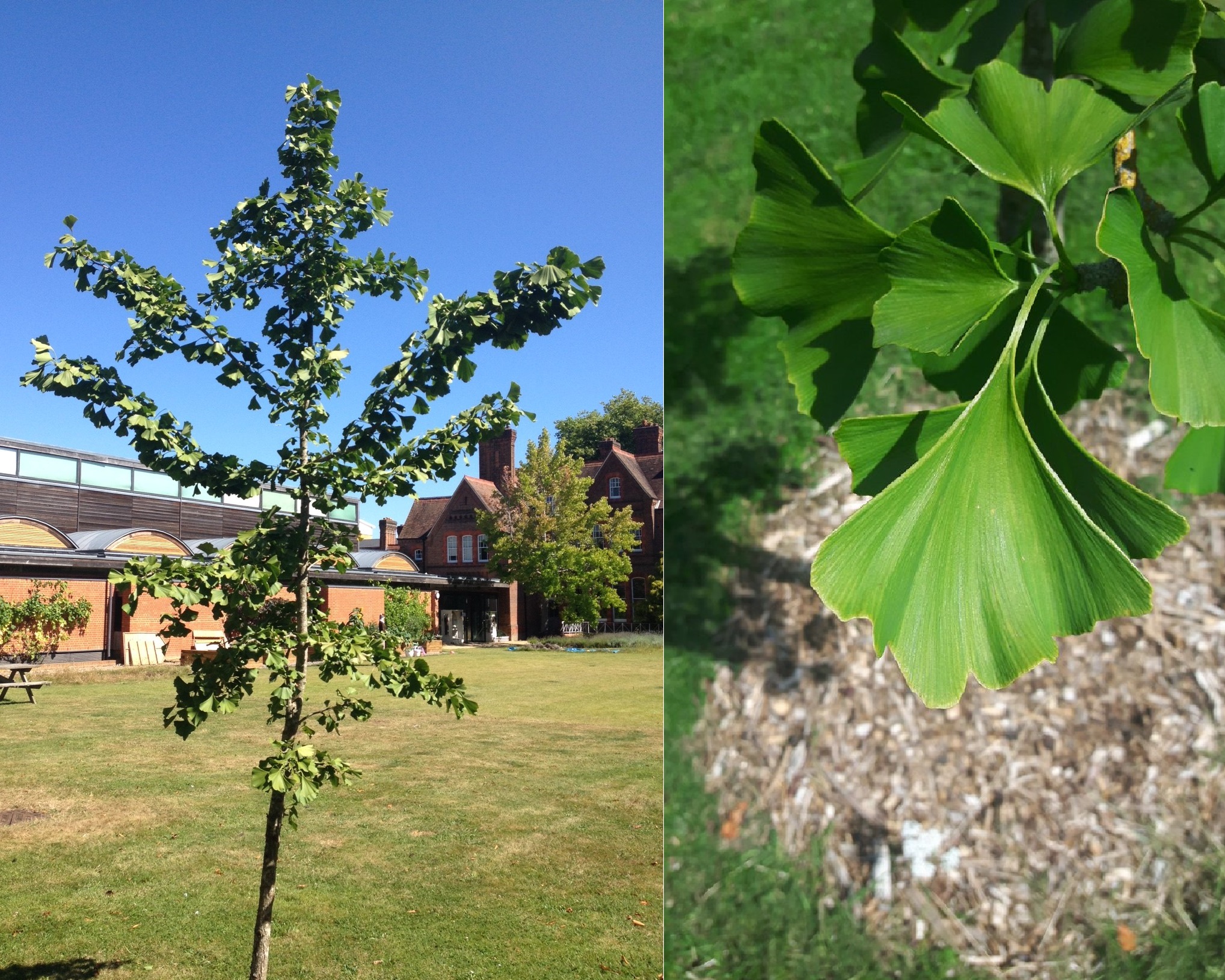
This Ginkgo is a living fossil and can be identified by it fan-shaped leaves. The tree, unchanged since the Jurassic period, has various uses in traditional medicine and its seeds are used in cooking.
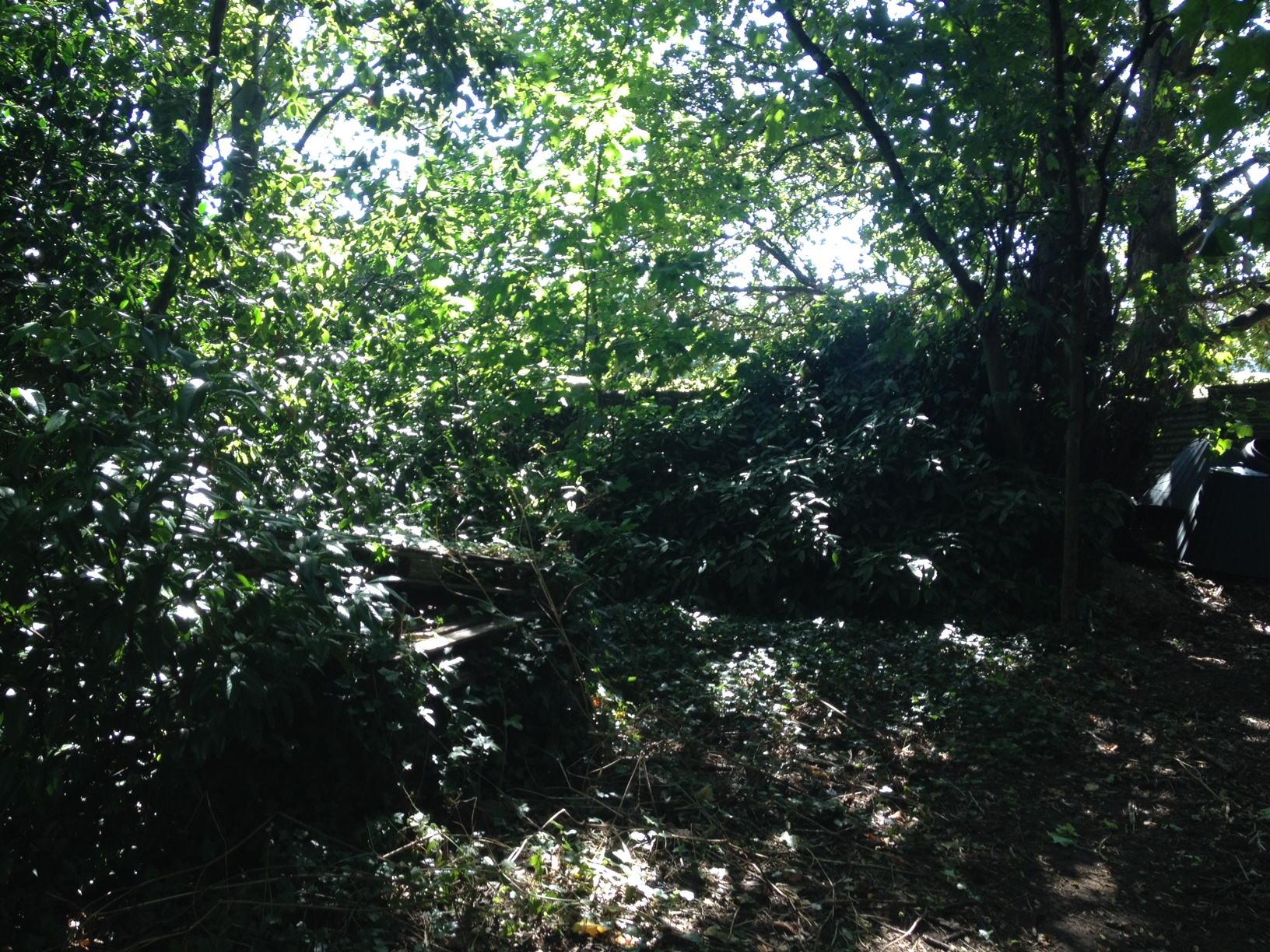
The dark bushy undergrowth at the very back of the MERL garden is typical of Victorian planting which probably done when the Palmer family lived in the building. These plants are a deep green colour and originate from Japan. The family would have wanted to plant exotic, fashionable and impressive evergreen plants. During the period, plants were imported from the Southern Islands of Japan after the country opened its doors in the last half of the 19th century.
A brief and fascinating trip meant that we were all taking lots of notes. Even then staff had to compile our observations which we used to create a basic map of the gardens.
Come have a look at the gardens when we reopen in October. If you can find this root graft, you’ll have discovered our ‘star tree’ as selected by the Reading Tree Wardens.

-
Author
- lottiewood
-
Published Date
- February 19, 2026
“I am the farm worker going home at evening”: gender fluidity, rural landscapes, and the Women’s Land Army
Library trainee Lottie Wood reflects on gender fluidity in the work of E. M. Barraud, and Barraud’s reflections on her time in the Women’s Land Army