Evacuees visiting The MERL
-
Author
- Alison Hilton
-
Published Date
- December 15, 2016
<<<<<[caption id="attachment_4209" align="aligncenter" width="702"]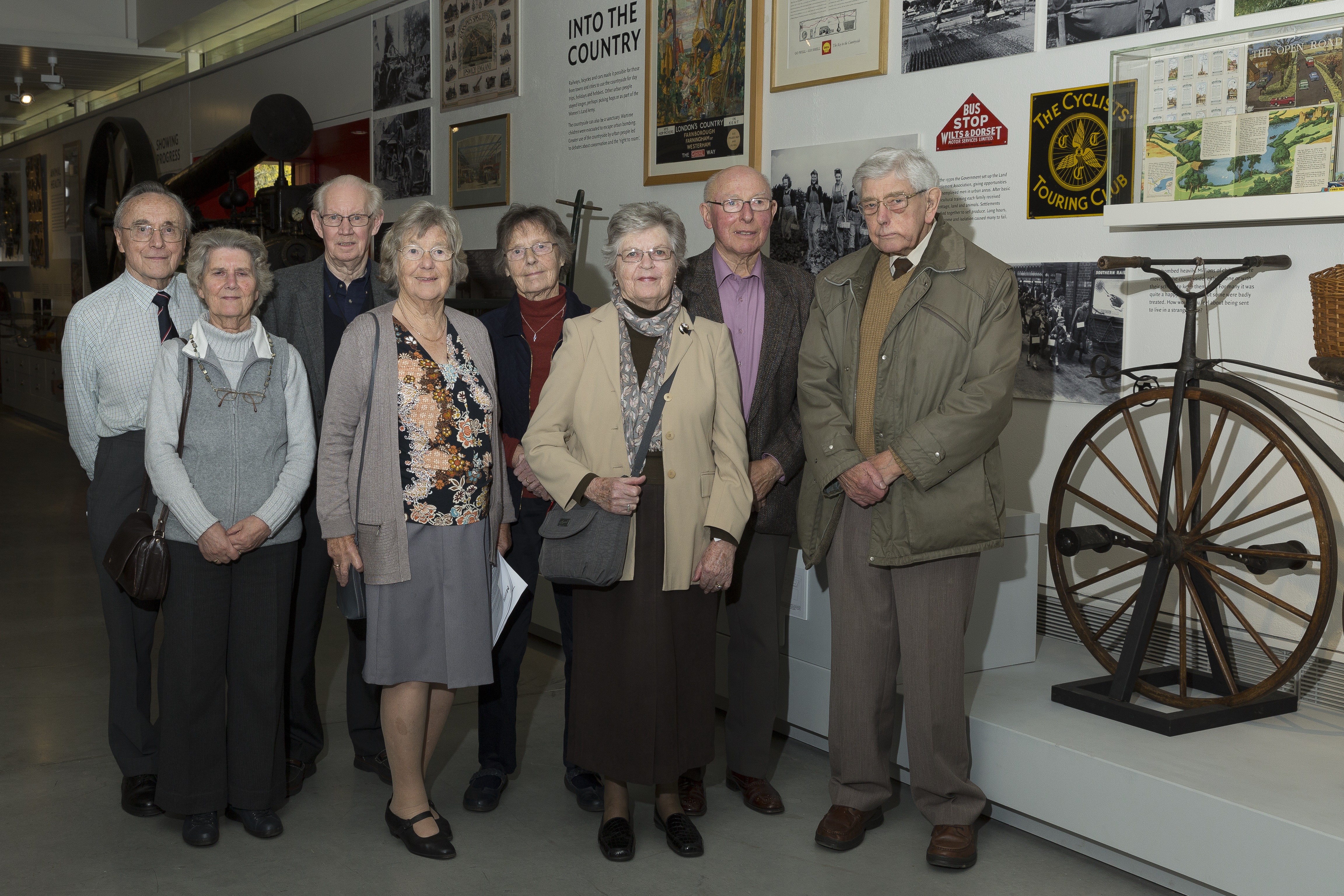 The evacuees next to the interactive that tells their stories.[/caption]
On 28 November 2016, The MERL welcomed seven evacuees and their families to the Museum. The evacuees had agreed to allow the Museum to include their stories in the evacuee interactive and the day was designed to thank all involved for their participation. The day included showing the evacuees the interactive for the first time, photographing the evacuees and the evacuees recording their written memoirs. The photographs and audio will now be added to the interactive in the Town and Country gallery.
The evacuees included Peter Terry and Barbara Wood.
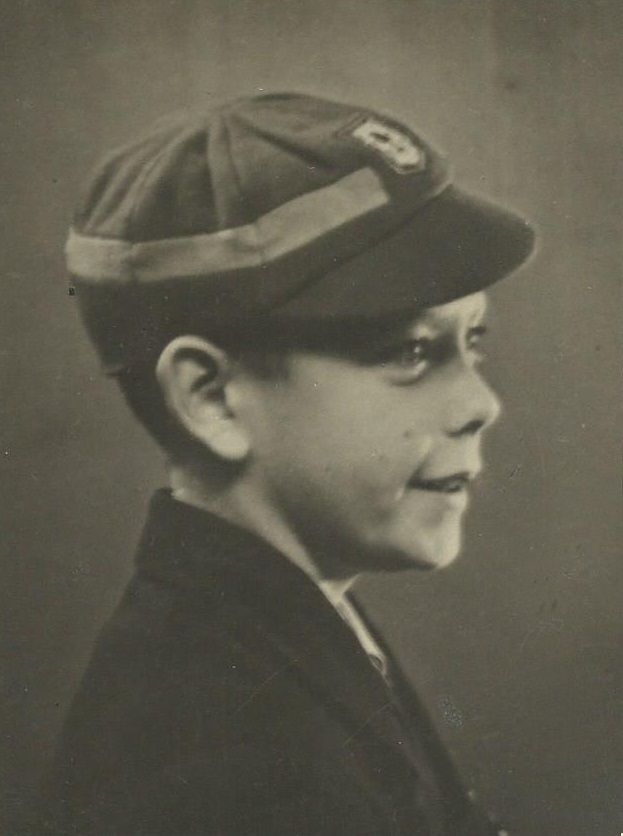

Peter Terry was evacuated from Ilford Essex with the Beal School to Kennylands Camp, Sonning Common, Berkshire. The Council for the Preservation of Rural England recommended to the Government in 1938 that camps should be built in various country areas with the object of giving deprived children from inner cities the opportunity of having a holiday in the countryside. It was envisaged that the camps could be used as evacuation centres if necessary. Kennylands was the first camp to be finished and occupied.
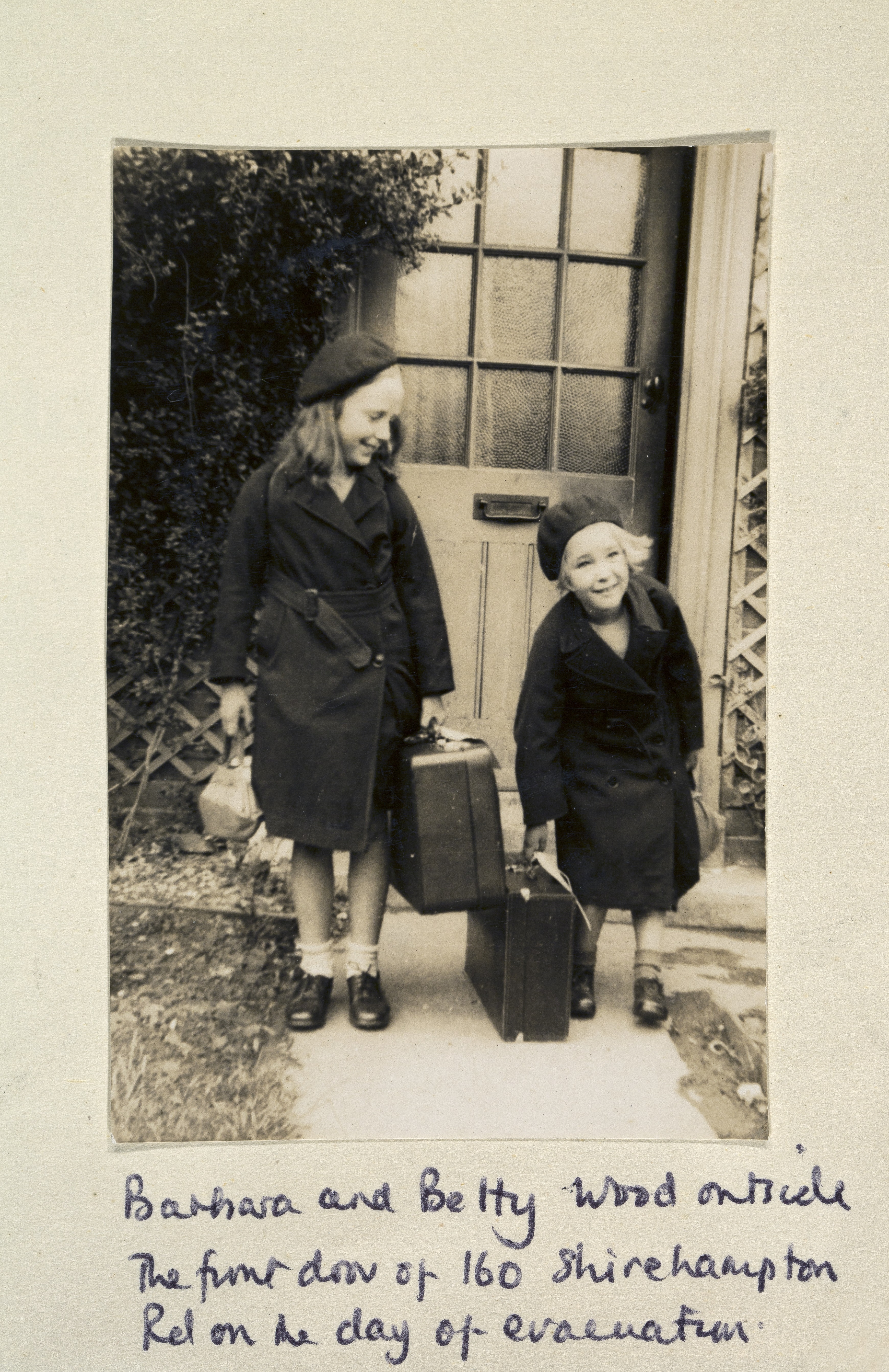
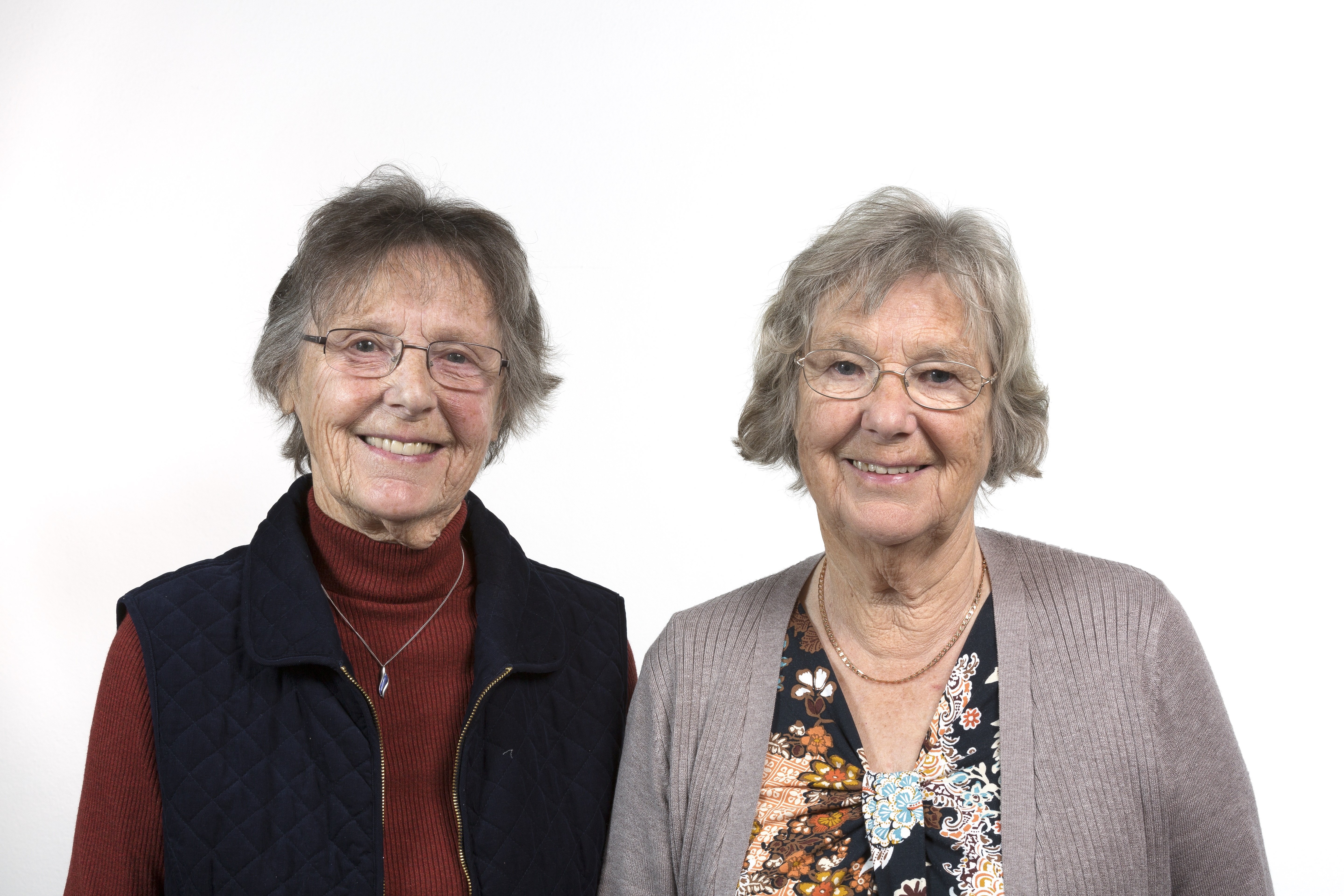
Barbara and Betty Wood were evacuated from Sea Mills, Bristol to Rockwell Green, Somerset. Barbara said of the experience, “Although there were unhappy times that we stayed there, Uncle always seemed to be there to listen when we felt sad. Long after the war was over, Auntie and Uncle used to come and stay with us for holidays.”
The MERL holds over 600 evacuee memoirs of children who were evacuated in Britain and overseas.
To find out more about the archive, click here.
Caroline Gould (Principal Archivist)
-
Author
- lottiewood
-
Published Date
- February 19, 2026
“I am the farm worker going home at evening”: gender fluidity, rural landscapes, and the Women’s Land Army
Library trainee Lottie Wood reflects on gender fluidity in the work of E. M. Barraud, and Barraud’s reflections on her time in the Women’s Land Army