Food takes first prize at the Berkshire Show
-
Author
- Alison Hilton
-
Published Date
- September 23, 2016
<<<<<<<<<
Science engagement officer, Robyn Hopcroft, gives a recap of a busy weekend for The MERL at the Royal County of Berkshire Show. Photography by Anna Bruce for First Food Residency.
I don’t think there’s anything quite like the Royal Berkshire Show. It’s a weird and wonderful melting pot of British culture. In amongst dancing sheep, pygmy goat competitions, Beatles-themed flower arrangements and wellies galore, The MERL was excited to take part in the University of Reading’s ‘Food Chain and Health’ stand.


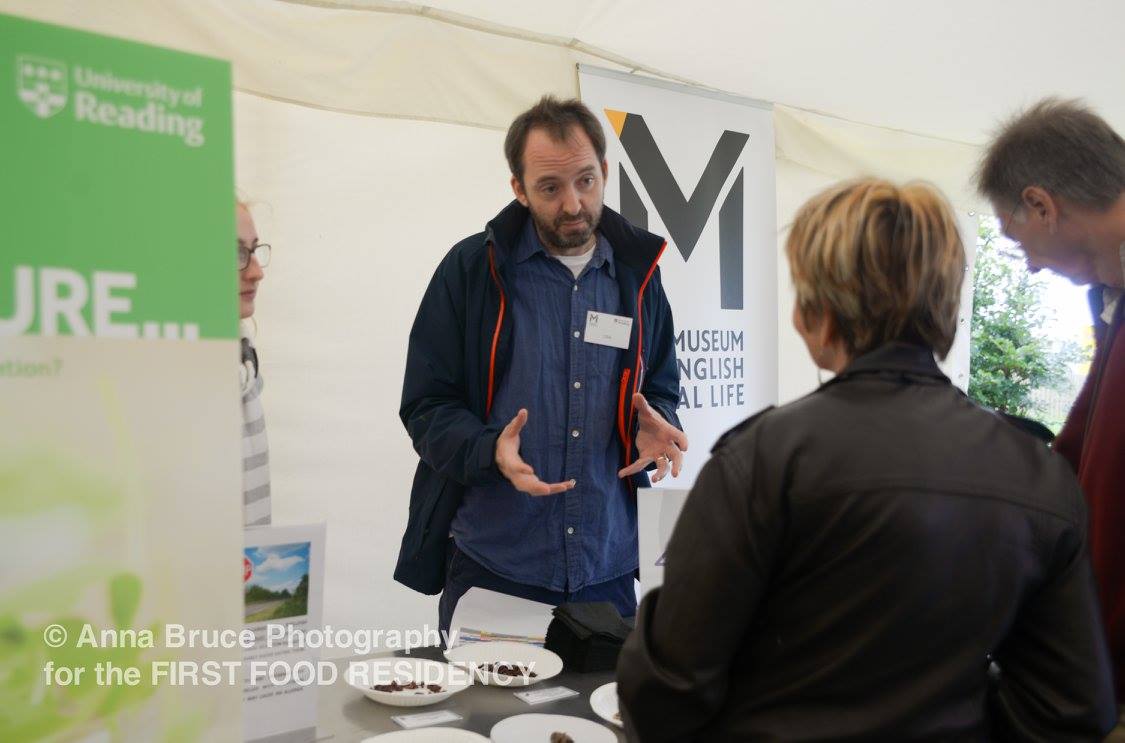
A large group of museum staff and volunteers worked across the weekend, having valuable conversations with show-goers about food and nutrition and raising awareness of The MERL and its upcoming reopening. We’re proud to have played an important role at the University’s stand, which was awarded ‘Best Trade Exhibit’ and ‘Best Large Trade Stand’.
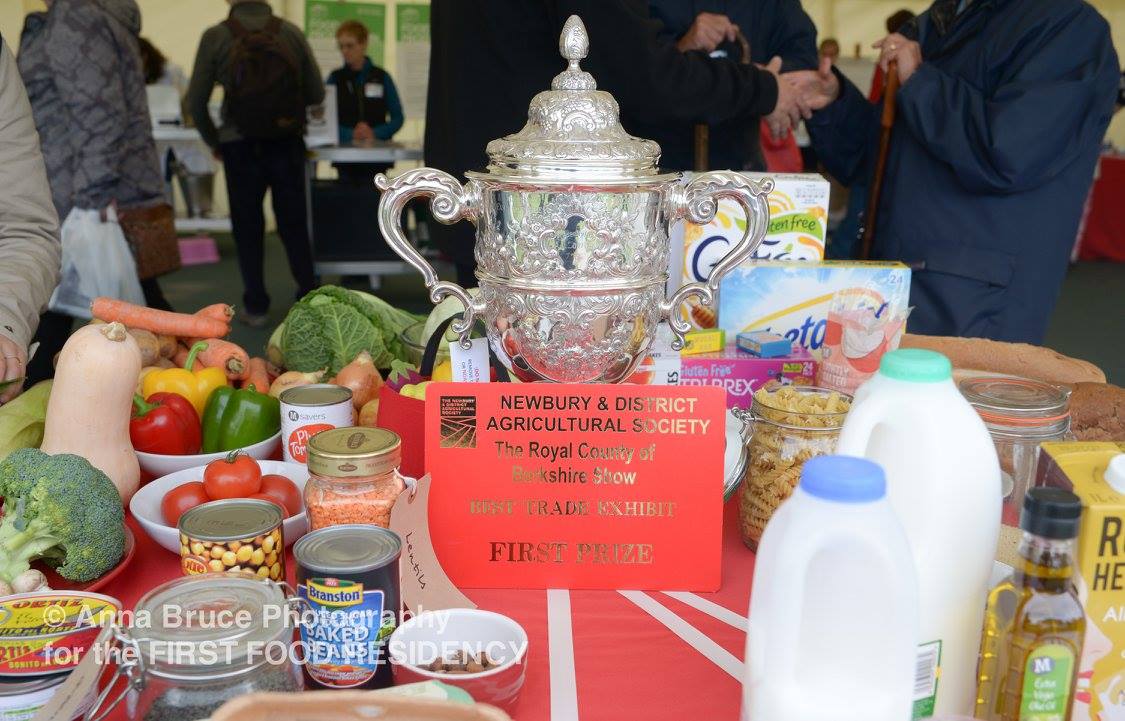
From soil detective work, to cheese making and taste perception experiments, the university was keen to get people talking and thinking about the food chain and health by encouraging them to get involved with a variety of fun activities. To complement the university’s dairy nutrition research, The MERL had a great time helping children to design and make their own milk cartons. We also enjoyed running activities exploring themes from The Crunch – getting people talking about the importance of fibre in our diets, and the future of food. From this, we learned that most people aren’t great at working out which foods are a good source of dietary fibre, but they are very open to snacking on insects and to talking about how we might feed a growing population. One of the most rewarding aspects of the weekend was the high quality of conversations that were had about food.
Greer Pester, a visual artist living between Mexico and Glasgow, developed a wonderful piece of food art throughout the weekend which proved to be one of the most engaging aspects of the stand. The work served to draw attention to the future of food and examined the uses, properties and history of amaranth.
Greer has been working with First Food Residency – an artist-led organisation focused on opening up debate about food through creative engagement with a variety of audiences. First Food Residency is currently actively involved in various projects at the university, and is even growing and using a beautiful crop of amaranth in one of The MERL’s experimental garden beds.
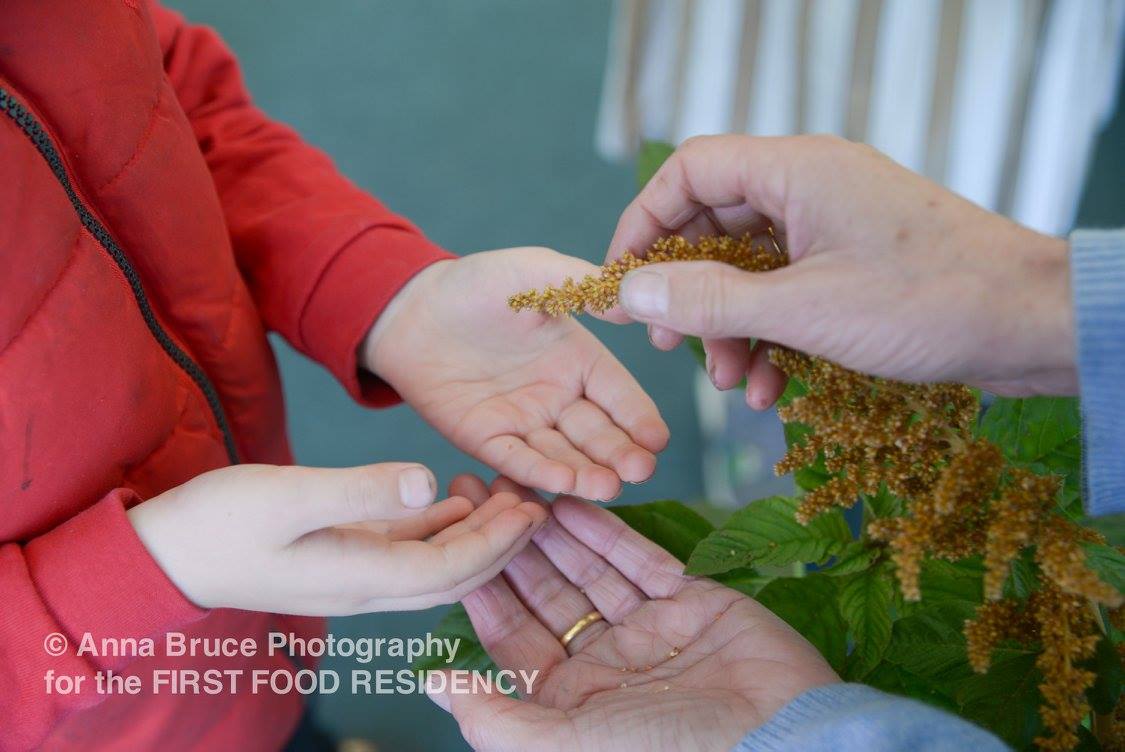
It was fascinating to hear about how amaranth – also known as ‘love lies bleeding’ – was once a staple in the Aztec diet, but was banned by the Spanish conquistadors for its use in rituals, where sculptures were made from popped amaranth seeds, human sacrificial blood and honey. The subsequent decline in popularity of amaranth and its recent resurgence as a nutrition-packed ‘superfood’ demonstrates how our eating habits change over time and will continue to evolve in the future.
Drawing inspiration from amaranth’s rich history, Greer sculpted an Aztec-style pyramid from popped amaranth seeds, which worked as a sort of altar to food. Visitors were invited to make their own contributions in the form of paper offerings which were pinned to the pyramid. In this way, people of all ages and backgrounds were able to share their thoughts, wishes and pledges centred on food, and to share their favourite foods worthy of an altar.
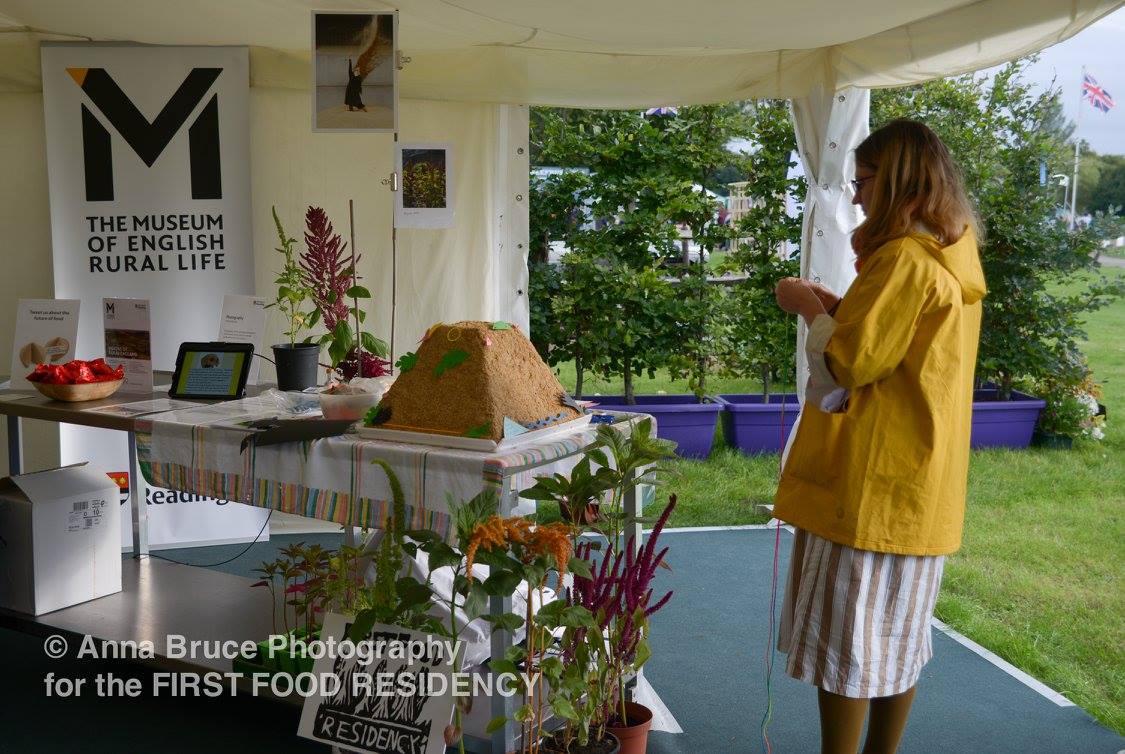

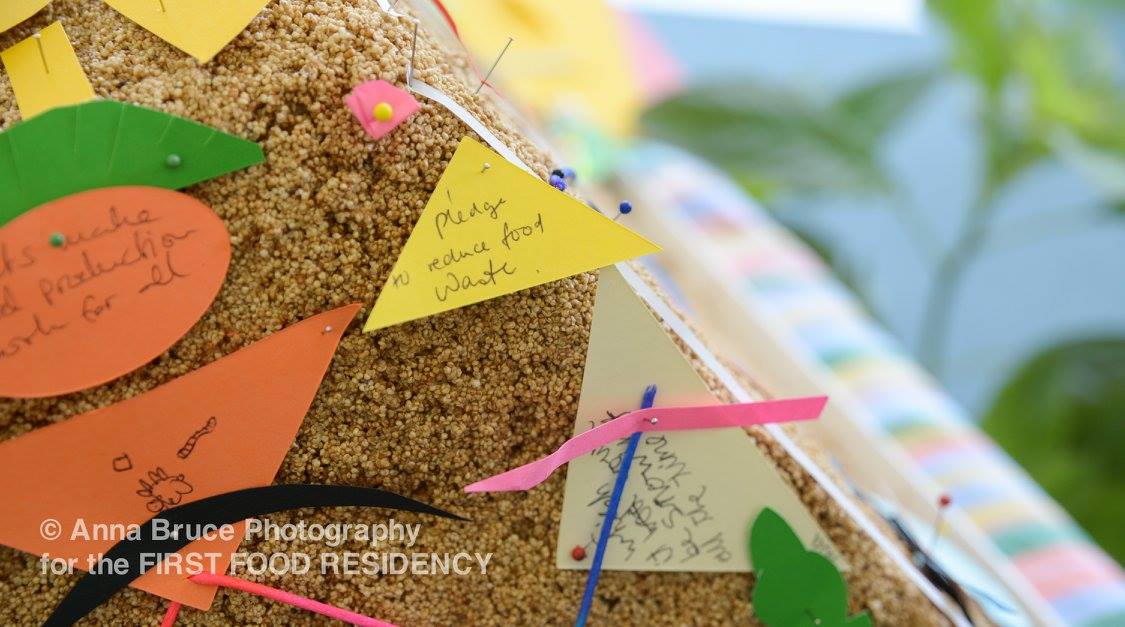

It was fitting that the work appeared towards the exit of the University’s marquee, leaving people in the right frame of mind to reflect on the sacred qualities of food and to consider how they might cultivate a more positive relationship with food, health and nature.

If you missed The MERL at the Berkshire Show, don’t forget to catch us at our Grand Opening Festival on 22 October.
-
Author
- lottiewood
-
Published Date
- February 19, 2026
“I am the farm worker going home at evening”: gender fluidity, rural landscapes, and the Women’s Land Army
Library trainee Lottie Wood reflects on gender fluidity in the work of E. M. Barraud, and Barraud’s reflections on her time in the Women’s Land Army