An Interview with: Nitisha (Part 2: Conservation)
-
Author
- Alison Hilton
-
Published Date
- March 24, 2016
Following last week’s interview with Nitisha about her work in the Special Collections archives, this week Whitney talks to her about her first role in conservation here at MERL.
1. What made you get involved with conservation?
I started volunteering with Fred the Conservator here in the Conservation studio because I wanted to explore conservation. I had never heard about this field before because my background is in Law.
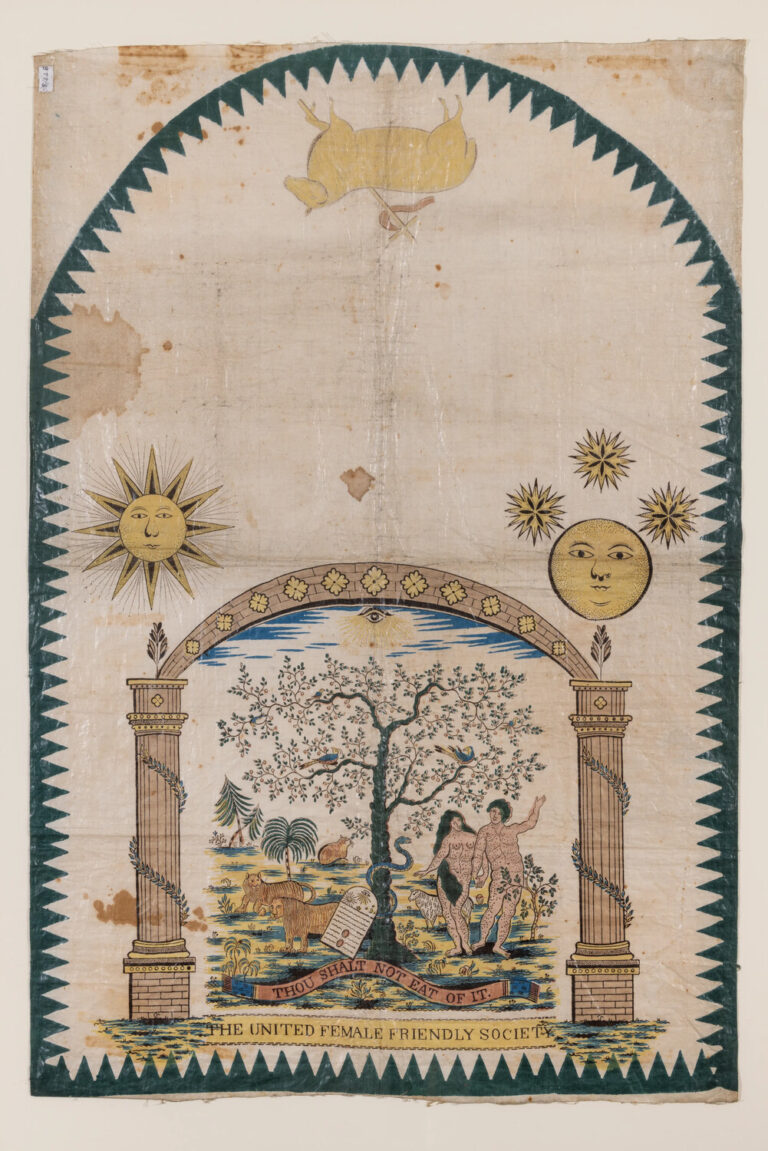
I started by volunteering and then when the HLF funded redevelopment project started, I was hired on a short-term contract to work alongside Kate Gill, a specialist Textile Conservator, on the two Michael O’Connell’s wall hangings to help conserve them for the new re-display. Later my contract was then extended to work alongside Fred on the collections for the re-display. This was possible because of the considerable volunteering hands-on / practical experience I had by then.
2. What does conservation entail?
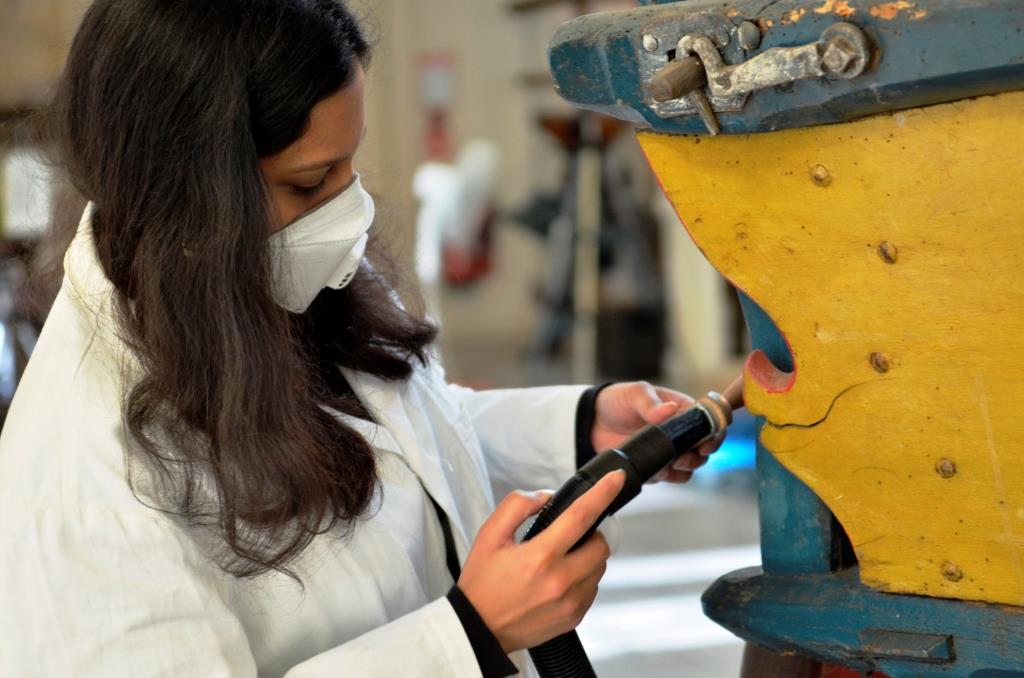
It’s basically taking care of the heritage and specifically here in the museum looking after the collections and the objects. So it’s very hands on, very practical work. For example if you have a mug and the handle is broken you have to repair it but at the same time not change it. There is a difference between restoration and conservation.
3. What aspects of conservation interest you the most?
I really like working with the objects and being able to make a difference with my hands. It’s really rewarding when you can make a difference to something that would just otherwise rot away, but instead you are able to preserve it and make it accessible to the public and future generations.
4. You highlighted the difference between restoration and conservation earlier. How would you describe the difference to someone that doesn’t have much idea about it?
With conservation you try to repair the object but maintain its totality whereas with restoration you would perhaps change it to make it look better and improve its aesthetic appearance.
5. What things helped you become more comfortable in being able to handle objects?
I worked alongside Fred the Conservator and started to understand why certain things can and cannot be done. I also did a Chemistry for Conservatory course because I wanted to understand the science and the reasoning behind it.
6. What other significant details are important when working with objects?
You need to understand what the need is for the repairs that are going to be carried out, the material of the object, how it was made and its purpose. Is it for a private client or a museum piece? If it’s for a private client the client may not want you to change the look or they may want you to change it so it looks brand new. But from an ethical point of view conservation is preferred rather than restoration because you are not changing the object only preserving what is there and giving it a longer life.
Whitney: So it seems that it’s all about the intended purpose surrounding why you are handling a particular object.
Nitisha: Yes exactly, because objects have historical value and may not necessarily have monetary value. Although they can also have both. We also have to question whether it’s the only one we have left in the world.
6. What advice do you have for the next generation of individuals that will go on to work in museums, heritage sectors or fields that encourage the preservation of culture and history?
Don’t limit yourself to thinking that you are not capable of doing something. Give yourself all the chances and take up opportunities. Try volunteering, be open to suggestions and have a good relationship with the professionals. If you understand what you want then it becomes easier for other people to guide you. I currently find myself at a stage where I’m still exploring. Though I don’t know what the final destination will be I’m just enjoying the journey.
-
Tags
-
Author
- lottiewood
-
Published Date
- February 19, 2026
“I am the farm worker going home at evening”: gender fluidity, rural landscapes, and the Women’s Land Army
Library trainee Lottie Wood reflects on gender fluidity in the work of E. M. Barraud, and Barraud’s reflections on her time in the Women’s Land Army